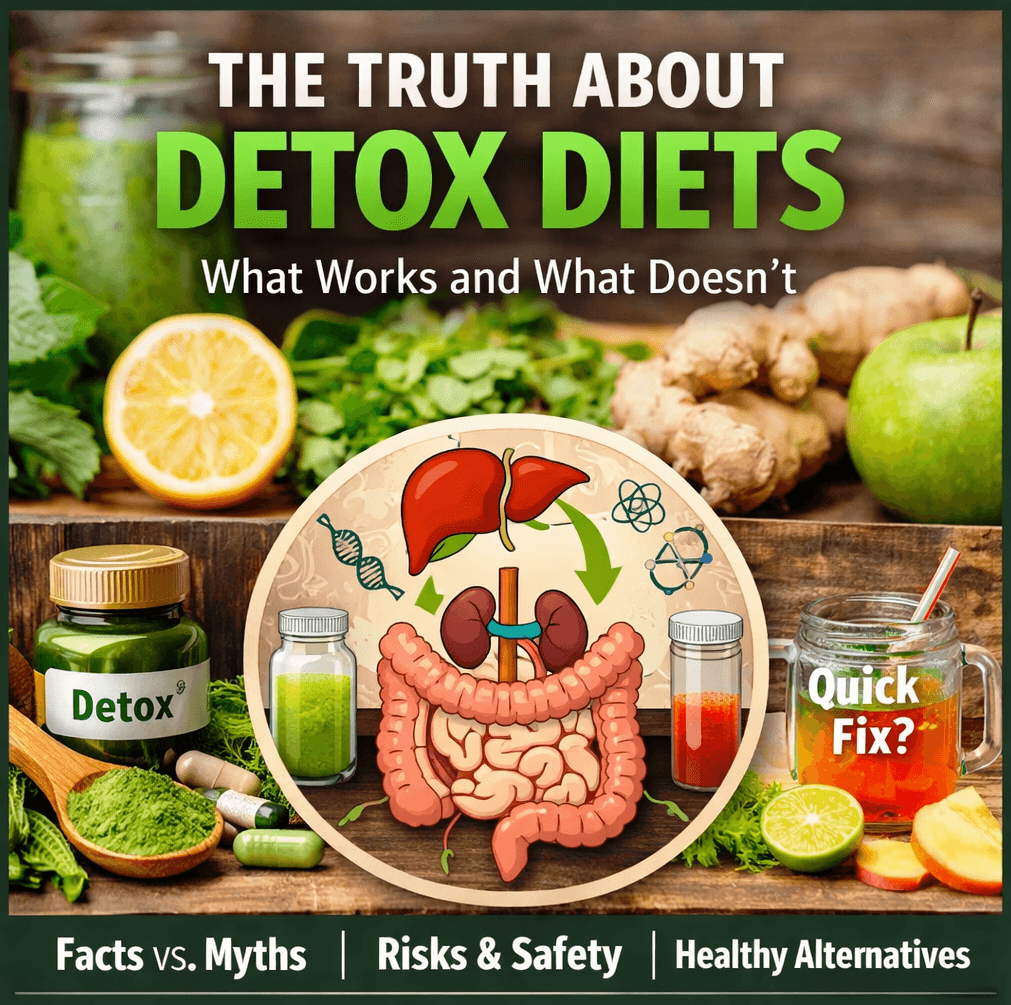
Detox diets and cleansing regimens regularly dominate social media and the wellness industry. Promoters claim that abstaining from solid food, drinking expensive juices or teas, taking herbal supplements or colon irrigations can purify your body, melt away fat and reset your health. In reality, detoxification is a complex physiological process that occurs continuously and there’s little evidence that commercial detox plans accelerate it. This article examines what “detox” means, how the body’s own detoxification systems work, the evidence for and against popular detox diets and cleanses, and how to safely support your body’s natural detoxification through diet and lifestyle.
What Are Detox Diets?
In popular wellness culture, detox and cleanse are often used interchangeably. The National Center for Complementary and Integrative Health (NCCIH) notes that detoxification programs may involve fasting, drinking only juices, eating limited foods, using dietary supplements or herbs, cleansing the colon with enemas or laxatives, reducing environmental exposures or using saunas. Proponents claim these regimens remove toxins, promote weight loss, boost energy, improve digestion and support liver or colon health. Some programs last a few days; others recommend weeks of strict compliance.
Common Types of Detox Diets
1. Juice or liquid cleanses
Participants consume only fruit and vegetable juices, smoothies or soups. These diets often restrict calories and may include herbal supplements. UCLA Health warns that liquid cleanses can lead to low calorie intake, high sugar consumption and imbalanced macronutrients.
2. Liver cleanses
These regimens use ingredients such as green tea, milk thistle or turmeric. While these botanicals may offer health benefits, UCLA Health points out that repeated liver cleanses cannot repair existing liver damage and lack evidence of benefit.
3. Colon cleanses
Colon-cleansing programs involve laxatives, herbs or “colon hydrotherapy.” Mayo Clinic notes that colon cleansing is unnecessary for detoxification because the digestive system already removes waste and bacteria, and there is no evidence that colon cleansing provides health benefits. Colon cleanses may also carry risks such as cramping, diarrhea, electrolyte imbalances and in severe cases perforation.
4. Fasting-based detoxes
Programs such as the Master Cleanse involve periods of fasting followed by strict diets of lemon juice, maple syrup, cayenne and water. Harvard Health notes that these extremely low-calorie diets slow the body’s metabolic rate; weight lost is largely water and carbohydrate stores and is quickly regained when normal eating resumes. Fasting diets often lack essential nutrients and can cause dehydration and electrolyte imbalances.
5. Detox teas and supplements
Many detox kits include teas, pills or powders claiming to flush toxins. The British Dietetic Association (BDA) emphasises that the body already has robust detoxification systems and no pills, drinks, patches or lotions can do a better job. Many detox teas act as laxatives and are not without risk.
What Are Toxins and Do Detox Diets Remove Them?
Detox proponents often refer to “toxins” without specifying what they are. In toxicology, toxins can include byproducts of metabolism, alcohol, medications and environmental pollutants. Detox marketing usually blames vague pollutants, pesticides, microplastics or heavy metals. The NCCIH notes that only a small number of human studies have assessed detoxification programs; most are low-quality and have design flaws. A 2015 review found no compelling research to support detox diets for weight management or eliminating toxins. Another review concluded that juicing and detox diets may cause initial weight loss due to low calories but typically lead to weight gain once a normal diet is resumed.
Healthline observes that detox diets rarely identify specific toxins and there is little to no evidence they remove any compounds. In fact, the body is continuously detoxifying through the liver, kidneys, gut, lungs and skin. These organs metabolize toxic substances and excrete them via urine, feces and sweat. Healthline emphasises that your liver makes toxic substances harmless and ensures they’re eliminated from your body. Persistent pollutants such as persistent organic pollutants (POPs) or bisphenol A can accumulate in fat tissue, but these chemicals are increasingly restricted in commercial products.
The Body’s Natural Detox System
Detox diets assume your body needs help to rid itself of waste. In reality, your body has multiple organs and systems dedicated to detoxification:
- Liver: Acts as the body’s primary filter. It metabolizes drugs, alcohol and toxins through enzymatic pathways and produces proteins (metallothioneins) that bind heavy metals. The liver converts fat-soluble toxins into water-soluble forms that can be excreted.
- Kidneys: Filter blood to remove waste, regulating fluid balance and electrolyte levels. Metallothioneins produced by the liver and kidneys help detoxify heavy metals.
- Digestive tract: Peyer’s patches in the intestines screen out parasites and foreign substances before nutrients enter the bloodstream. Bile produced by the liver helps transport toxins into feces.
- Lungs: Ciliated cells trap and expel airborne particles and pathogens.
- Skin: Acts as a physical barrier against harmful substances. While sweat helps regulate temperature, toxins are not eliminated through perspiration.
- Immune system: Identifies and neutralizes foreign invaders throughout the body.
The British Dietetic Association emphasises that unless you have a serious medical condition, your body’s own detoxification systems work continuously to filter, break down and excrete alcohol, medications, waste products and environmental chemicals. There are no detox teas or lotions that can outperform these systems.
Claims Versus Evidence
1. Rapid Weight Loss
Detox diets promise quick weight loss. Some people may lose weight during a detox due to severe calorie restriction. Healthline notes that weight lost during detox diets is often due to loss of water and carbohydrate stores rather than fat. The BDA explains that rapid weight loss from fasting or extreme restrictions reflects water and glycogen depletion rather than fat reduction. Once normal eating resumes, this weight is typically regained.
2. Improved Digestion and Skin
Some detox plans claim to improve digestion, hair, skin and nails. There is no credible evidence that detox diets directly improve these. The BDA lists these claims among the myths of detox diets. Feeling better during a detox is often attributable to avoiding processed foods, alcohol and smoking and ensuring adequate sleep and exercise. These lifestyle changes not the detox product and enhance wellbeing.
3. Removal of Specific Toxins
Several detox programs advertise removal of heavy metals or environmental pollutants. Chelation therapy is a medical procedure used only in serious cases of heavy-metal poisoning; it is not addressed by over‑the‑counter detoxes. As Healthline states, there is little evidence that detox diets remove POPs or bisphenol A. The NCCIH notes that there have been no studies on long-term effects of detox programs.
4. Boosting the Immune System
Marketing often claims detox diets “reset” or enhance the immune system. However, detox products do not target immune cells. Balanced nutrition, regular physical activity, enough sleep and vaccinations support immune function. Detox diets that restrict nutrients may actually impair immune responses.
Potential Benefits of Detox Diets (and Why They Occur)
While there is little evidence to support the claims of detox diets, some participants report feeling more energetic or losing weight in the short term. These benefits usually stem from healthier habits rather than the detox program itself:
- Avoiding processed foods and added sugar: Most detox plans eliminate processed foods, added sugars and alcohol. Cutting these can reduce inflammation and improve energy levels. The NCCIH acknowledges that small studies have noted improvements in insulin resistance and blood pressure, but they are low-quality.
- Increased intake of fruits and vegetables: Juice cleanses and smoothies provide vitamins and minerals that may have been lacking in the diet. UCLA Health notes that adding fruits and vegetables supplies vitamins and minerals and can help break habits of eating processed foods.
- Mindful eating and reflection: Detox programs may encourage mindfulness around eating, which can help identify food sensitivities or unhealthy habits.
These benefits can be obtained by adopting balanced dietary patterns without extreme fasting or expensive kits.
Risks and Downsides of Detox Diets and Cleanses
Detox diets can pose health risks, especially when they involve severe calorie restriction, laxatives or unregulated supplements.
1. Nutrient Deficiencies and Energy Drain
Cleanses that restrict entire food groups can deprive the body of protein, essential fats and micronutrients. Cleveland Clinic warns that cleanse and detox diets are not well balanced and may lead to deficiencies in protein, electrolytes and other nutrients. Reduced caloric intake can leave you low on energy and disrupt metabolism and blood sugar levels.
2. Gastrointestinal Distress and Dehydration
Many detox programs have a laxative effect. Excessive diarrhea can cause dehydration, electrolyte imbalances and impaired bowel function. Harvard Health describes the Master Cleanse as lacking protein and fatty acids; the daily laxative regimen can deplete electrolytes and disrupt intestinal flora. NCCIH warns that colon cleansing procedures can lead to serious side effects, especially for people with gastrointestinal disease or kidney problems.
3. Overdosing and Unregulated Supplements
Some detox kits include high doses of vitamins, minerals or herbal extracts. Healthline notes that detox diets may pose the risk of overdosing on supplements, laxatives, diuretics and even water. Ingredient labels of detox products may be inaccurate or contain hidden substances. The FDA and FTC have taken action against companies selling detox products with undisclosed or illegal ingredients. Unregulated products can interact with medications or cause liver injury.
4. Electrolyte Imbalance and Kidney Damage
Drinking excessive water or herbal teas during detoxes can lead to dangerous electrolyte imbalances, a risk highlighted by the NCCIH. Green tea detoxes have been linked to arrhythmias, sleep disturbances, high blood pressure and liver injury when consumed in large quantities. Juice cleanses may cause blood sugar spikes and lack the fiber necessary for stable glucose levels.
5. Eating Disorders and Mental Health
The Washington Post reports that detox cleanses can be risky for people with eating disorders or those vulnerable to disordered eating, as they may trigger episodes of under‑eating or overeating. Cleanses may also encourage unhealthy behaviors such as using laxatives or diuretics.
6. Not a Long‑Term Solution
Detox diets are typically short-term. Once normal eating resumes, weight and metabolic markers often return to baseline. UCLA Health explains that any immediate weight loss usually results from limited calories and avoiding processed foods and is often lost after resuming usual eating. The BDA notes that after an extreme detox program, weight lost is likely regained. Sustainable health improvements require long-term lifestyle changes rather than periodic cleanses.
Evidence-Based Alternatives to Support Natural Detoxification
Instead of investing in restrictive diets or expensive cleanses, focus on habits that help your body’s detox systems function optimally:
1. Eat a Balanced, Whole‑Food Diet
- Fill half your plate with vegetables and fruits. Fruits and vegetables provide vitamins, minerals, antioxidants and fiber. The BDA recommends eating at least five portions per day and limiting fruit juice and smoothies to 150 ml to avoid excess sugar. Variety matters more than consuming any one “miracle” fruit.
- Choose lean proteins and healthy fats. Incorporate beans, lentils, fish, nuts and seeds. These provide amino acids necessary for liver detoxification and maintain satiety.
- Include whole grains. Wholegrain carbohydrates supply fiber that supports bowel movements and feed beneficial gut bacteria. The BDA’s balanced diet advice includes wholegrain carbs, lean protein and unsaturated fats.
- Stay hydrated. Drinking water helps kidneys flush waste products. Being well hydrated is sensible; however, the BDA cautions that drinking too much water can be as dangerous as drinking too little. Aim for clear to pale yellow urine as a guide.
2. Limit Alcohol and Added Sugars
The liver prioritizes metabolizing alcohol, which can disrupt other detox processes. Reducing alcohol intake eases the burden on the liver and helps maintain healthy weight and metabolism. Limiting added sugars reduces inflammation and supports a stable blood glucose level.
3. Support Gut Health
- Eat fiber‑rich foods to promote regular bowel movements and support beneficial microbiota. Fiber binds toxins and facilitates their removal in feces.
- Include fermented foods such as yogurt, kefir, sauerkraut or kimchi to introduce probiotics. A healthy microbiome plays a role in metabolism and immune function.
- Avoid unnecessary colon cleanses. Mayo Clinic emphasises that colon cleansing is not needed for detoxification, and colon hydrotherapy can cause dehydration, perforation or infection.
4. Be Physically Active
Regular exercise promotes circulation, lymphatic flow and cardiovascular health, helping to deliver oxygen and nutrients to tissues and carry waste products away. Physical activity also supports weight management and improves insulin sensitivity.
5. Prioritize Sleep and Stress Management
Sleep allows the body to repair and perform metabolic processes, including detoxification. Chronic stress raises cortisol levels, which may affect liver function. Practices such as mindfulness, yoga and moderate exercise can reduce stress.
6. Consult Healthcare Providers Before Supplements
Some botanicals (e.g., green tea, milk thistle, turmeric) have research-backed benefits for liver or antioxidant function. However, these are best consumed as part of a balanced diet or under supervision. Before starting any supplement or detox program, talk to your healthcare provider especially if you have chronic health conditions or take medications. NCCIH recommends discussing complementary health approaches with your provider.
Choosing Wisely: When a Detox Might Be Justified
Medical detoxification is sometimes necessary in specific circumstances. Chelation therapy is recommended by the Centers for Disease Control and Prevention for removing toxic metals in serious cases. Additionally, medically supervised detox may be used to manage withdrawal from drugs or alcohol. These medical procedures are conducted under professional supervision and are distinct from commercial detox diets.
Conclusion
Detox diets and cleanses promise quick fixes for weight loss, improved energy and toxin removal, but the evidence does not support these claims. High‑quality research is scarce, and existing studies show that weight lost during detox diets is usually water weight that returns when normal eating resumes. Commercial detox programs can lead to nutrient deficiencies, dehydration, electrolyte imbalances and may expose you to unregulated supplements.
Your body already has sophisticated systems for eliminating waste and neutralizing toxins, primarily through the liver, kidneys, intestines, lungs and skin. Supporting these organs through a balanced diet, hydration, regular exercise, adequate sleep and limiting alcohol and processed foods is far more effective and sustainable than any short‑term cleanse. If you want to improve your health or lose weight, focus on long‑term lifestyle changes and seek guidance from qualified healthcare professionals. Detox diets may encourage positive habits like consuming more fruits and vegetables, but there’s no shortcut to good health. Sustainable well‑being comes from consistent healthy choices, not from expensive juices or laxative teas.
Health Disclaimer
The information provided on this blog is for educational and informational purposes only and should not be considered medical, psychological, or professional healthcare advice. All content is general in nature and may not apply to your individual health circumstances.
While we strive to keep the information accurate and up to date, we make no warranties or guarantees regarding the completeness, reliability, or accuracy of the content. Any actions you take based on the information on this blog are strictly at your own risk.
Before making any decisions related to your physical or mental health, including the use of medications, therapies, exercises, or lifestyle changes, you should consult a qualified healthcare professional who can evaluate your specific condition, needs, and medical history.
Frequently Asked Questions
What is a detox diet?
A detox diet is typically a short-term plan that claims to “remove toxins” by fasting, drinking only juices/smoothies/teas, eliminating food groups, or using supplements/laxatives/colon cleanses. The definition varies widely, which is one reason claims are hard to verify scientifically.
Do detox diets actually remove toxins from the body?
For most people, there’s no compelling evidence that commercial detox diets “flush” toxins beyond what your body already does. Your liver, kidneys, gut, and other systems continuously process and eliminate waste.
Do juice cleanses help with weight loss?
Juice cleanses can cause quick weight loss, but it’s usually short-lived and often related to lower calorie intake and changes in water/glycogen stores. Weight commonly returns when normal eating resumes.
Are detox teas effective?
“Detox teas” often work mainly as laxatives. That can create the impression of “cleansing,” but it does not equal toxin removal and can carry risks (dehydration, electrolyte imbalance, bowel disruption).
Are detox diets safe for everyone?
No. Restrictive detoxes can be risky, particularly for people with diabetes, kidney/heart disease, those who are pregnant/breastfeeding, older adults, and anyone with a history of eating disorders.
What are the most common side effects of detox diets?
Common issues include fatigue, dizziness, headaches, irritability, digestive upset/diarrhea (especially with laxatives), dehydration, and electrolyte imbalance. More severe complications are possible with extreme fasting or unsafe products/procedures.
Are detox supplements regulated?
Not in the same way as prescription medicines. Safety and labeling can be inconsistent, and regulators have taken action against some detox/cleansing products for hidden ingredients or false disease-treatment claims.
Is “detox water” (lemon water, vinegar water, etc.) helpful?
Drinking water is beneficial. Adding lemon/cucumber is generally fine, but it’s unlikely to “detox” you in a special way. Excessive water intake can be harmful by diluting electrolytes.
When should you see a doctor instead of trying a detox?
Seek medical advice if you have persistent fatigue, unexplained weight change, abdominal pain, constipation that doesn’t improve, swelling, jaundice, frequent vomiting/diarrhea, fainting, or if you have chronic conditions (diabetes, kidney/heart disease) and are considering major diet changes. Detox programs can worsen underlying issues.