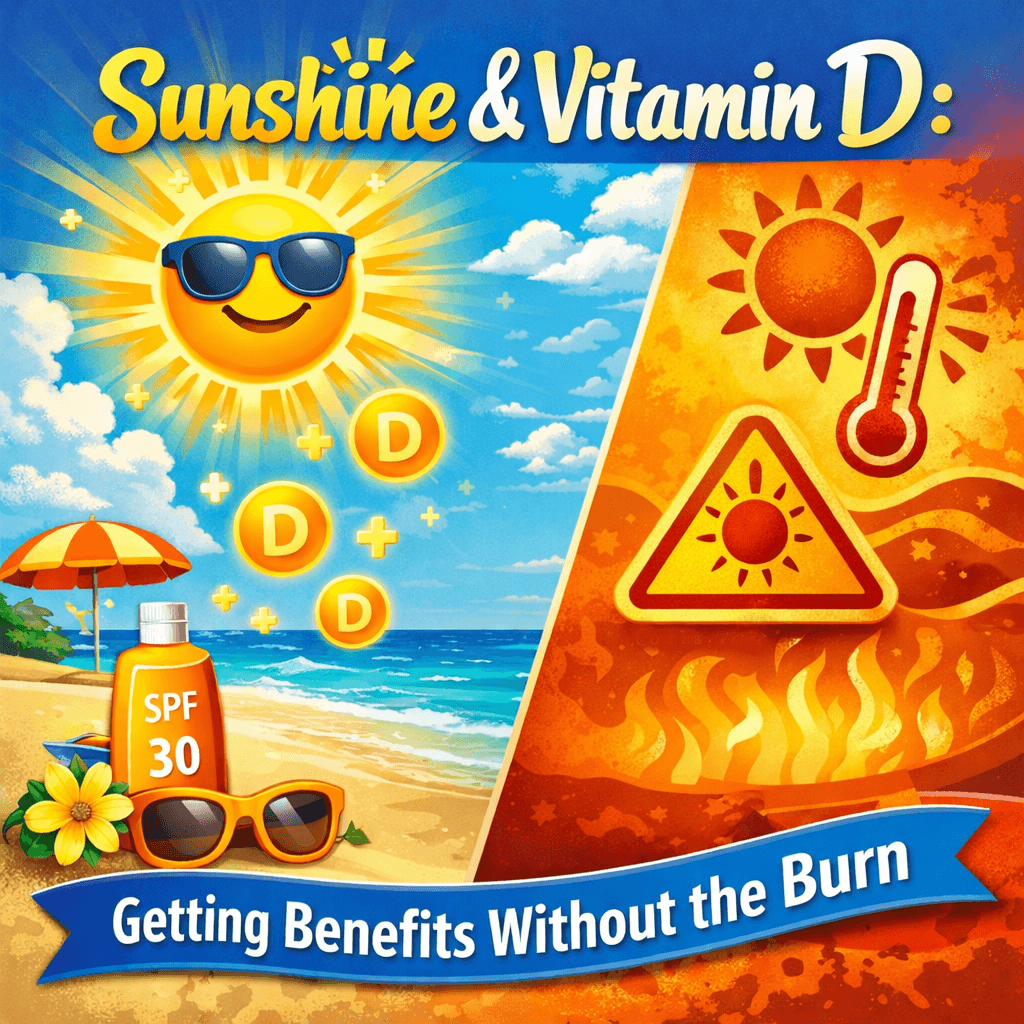
Sunlight is often called “the sunshine vitamin” because when our bare skin absorbs ultraviolet‑B (UVB) rays, it triggers the skin to convert a cholesterol compound (7 dehydrocholesterol) into vitamin D3. Vitamin D functions as both a nutrient and a hormone; it helps the body absorb calcium and phosphate for healthy bones and teeth, controls inflammation, supports muscle and nerve function, and plays a key role in immune health. Yet ultraviolet radiation is also a carcinogen, and too much can lead to sunburns, premature aging and skin cancer. This article explores the science behind vitamin D, the broader health benefits of sunlight, and evidence‑based strategies to reap these benefits without damaging your skin.
How Your Body Makes Vitamin D
1. From sunlight to hormone
Vitamin D is unique because your body can synthesize it. When UVB rays penetrate unprotected skin, they break down a steroid precursor into pre‑vitamin D, which the body converts to vitamin D3. This process is influenced by:
- Skin tone. Melanin acts like a natural sunscreen; darker skin reduces vitamin D production, meaning people with dark complexions need longer exposure to synthesize the same amount of vitamin D as lighter‑skinned individuals.
- Age. Older adults produce less vitamin D because the skin contains less 7 dehydrocholesterol and they spend more time indoors.
- Geographic location and season. UVB rays are weaker during winter and at higher latitudes. In Boston, sunlight from late autumn through early spring is insufficient to produce vitamin D for four months.
- Time of day. UVB levels peak around midday; some experts suggest 5 to 30 minutes of sun exposure between 10 a.m. and 4 p.m. on the face, arms and legs twice a week can support adequate vitamin D synthesis. After that point, further exposure does not increase vitamin D production but increases the risk of skin damage.
- Weather and barriers. Clouds, smog and glass block UVB rays, so sunlight through windows or on overcast days does not result in vitamin D synthesis.
2. Types of vitamin D
There are two primary forms: vitamin D2 (ergocalciferol) produced by plants and fungi, and vitamin D3 (cholecalciferol) produced by animals and humans. Both forms raise vitamin D levels, but D3 is more effective at increasing and maintaining serum 25 hydroxyvitamin D. After synthesis or ingestion, vitamin D undergoes two hydroxylations first in the liver and then in the kidneys to produce calcitriol, the active hormone.
Why Vitamin D and Sunshine Matter
1. Strong bones and muscle function
Vitamin D is essential for absorbing calcium and phosphorus; it works with calcium to prevent osteoporosis, rickets and osteomalacia. Without adequate levels, bones become weak and muscles may ache. The National Institutes of Health recommend 15 micrograms (600 IU) of vitamin D daily for children and adults up to age 70 and 20 micrograms (800 IU) for adults over 70.
2. Immune function and inflammation
Vitamin D receptors appear on immune cells, suggesting roles in regulating immune responses. Research continues to explore whether adequate vitamin D reduces risk of respiratory infections or autoimmune conditions. Additionally, ultraviolet exposure can upregulate cytokines and stimulate regulatory T cells, creating localized immunosuppression that may benefit certain autoimmune disorders.
3. Cardiovascular and metabolic health
Sunlight influences cardiovascular health in ways beyond vitamin D. UVA exposure can trigger the release of nitric oxide stored in the skin, which dilates blood vessels and lowers blood pressure. Studies have shown that UV exposure can reduce systolic blood pressure by 2 to 3 mm Hg, potentially decreasing cardiovascular events. An experimental study from the University of Southampton found that UVA exposure lowered blood pressure without changing vitamin D levels, suggesting an independent pathway.
4. Mood and mental health
Bright sunlight stimulates the pineal gland, increasing production of serotonin, a neurotransmitter associated with improved mood. Higher serotonin levels are linked to feelings of well‑being and reduced anxiety. Sunlight exposure has also been shown to improve symptoms of seasonal affective disorder (SAD); one study found that spending more than one hour outdoors in winter protected against depression symptoms.
5. Circadian rhythm and sleep
Natural light synchronizes the body’s circadian rhythm, the 24 hour internal clock that regulates sleep and wakefulness. When light enters the eye, specialized retinal cells send signals to the brain’s circadian pacemaker, telling the body what time it is. Morning light helps the brain suppress melatonin and stay alert; darkness at night triggers melatonin production, promoting sleep. Artificial light at inappropriate times can disrupt this rhythm, leading to poor sleep quality, weight gain, cardiovascular problems and mood disorders. Getting outside during daylight, especially early in the day, helps keep your internal clock in sync.
6. Other potential benefits
Sunlight exposure may support muscle function and energy levels. Historical records show that ultraviolet light was used to treat tuberculosis before antibiotics, and there is ongoing research into sunlight’s role in immune modulation. While observational studies associate higher vitamin D levels with lower risks of certain cancers, diabetes and multiple sclerosis, large clinical trials have yet to confirm clear protective effects. Thus, vitamin D should be viewed as part of an overall healthy lifestyle rather than a cure‑all.
How Much Sun Is Enough?
Determining the right amount of sunshine involves balancing vitamin D production with skin protection. Several research insights can guide safe exposure:
- Short, frequent exposures. The body’s vitamin D production plateaus after short exposure; 10 to 15 minutes of midday sun on arms and legs a few times per week provides sufficient vitamin D for most fair‑skinned adults. Past this point, skin damage outweighs benefits.
- Individual factors. A study in Valencia, Spain (similar latitude to Kansas City, U.S.) found that exposing 25% of the body for 8 to 10 minutes at midday in spring and summer met vitamin D requirements; in winter, the same person needed nearly two hours when only 10% of the body was exposed. In Miami’s summer sun, 25% body exposure for 3 minutes sufficed, while in Boston’s winter, 23 minutes were required.
- Skin tone. Darker skin requires longer exposure. The British Skin Foundation suggests 25 to 40 minutes of midday sun for people with dark skin and 10 to 15 minutes for lighter skin, though this can vary based on UV index and location.
- Guidelines for health professionals. According to the NIH’s health‑professional fact sheet, some experts propose 5 to 30 minutes of sun between 10 a.m. and 4 p.m. on exposed skin two to three times per week for adequate vitamin D synthesis. However, the same document cautions that ultraviolet radiation is a carcinogen and photoprotective measures are still needed.
Listening to your body and the UV Index
A practical way to gauge safe exposure is to check the UV Index, a forecast that indicates the strength of ultraviolet radiation. When the UV Index is 3 or higher, skin protection is essential. In high‑UV conditions, you can obtain vitamin D quickly but burn faster; in low‑UV conditions (winter or high latitudes) you may need more time but are less likely to burn. A good rule of thumb is to step out for a short period of sun whenever your shadow is shorter than you, as this indicates UVB rays are strong enough for vitamin D synthesis. If your shadow is longer than you, vitamin D production is minimal and you should rely on diet and supplements.
Sun Safety: Protecting Your Skin While Soaking Up the Sun
The American Academy of Dermatology stresses that there is no safe level of UV exposure that allows maximum vitamin D synthesis without increasing the risk of skin cancer. To reap the benefits of sunshine without harm:
- Seek shade during peak UV hours. Ultraviolet rays are strongest between 10 a.m. and 4 p.m.. Enjoy morning or late‑afternoon sun when UV intensity is lower.
- Use broad‑spectrum sunscreen (SPF 15 or higher). Sunscreen protects against both UVA and UVB; reapply every two hours and after swimming or sweating. Although proper sunscreen can reduce vitamin D synthesis by more than 90%, most people apply it imperfectly and still produce some vitamin D.
- Wear protective clothing and accessories. Long sleeves, wide‑brimmed hats and sunglasses that block UVA and UVB rays are highly effective. Clothing with an Ultraviolet Protection Factor (UPF) rating offers the best barrier.
- Avoid tanning beds. Tanning beds emit concentrated UV radiation and dramatically increase skin cancer risk.
- Don’t use sunscreen on infants younger than six months. Keep babies in the shade and dress them in lightweight clothing and hats.
- Apply sun protection after an initial brief exposure. For vitamin D synthesis, experts often recommend exposing skin for 5 to 30 minutes (depending on your skin type and location) without sunscreen. After this, apply sunscreen to prevent burns. Remember that if you are prone to burning, even a few minutes of midday sun can cause damage.
The harmful effects of too much sun
Excessive ultraviolet exposure can lead to:
- Sunburn. UVB rays cause the redness and inflammation associated with sunburn. More than one severe sunburn in childhood or adolescence doubles the chances of developing melanoma later in life.
- Skin cancer. UV radiation is the primary cause of basal cell carcinoma, squamous cell carcinoma and melanoma, accounting for most skin cancer cases. UVA rays penetrate deeper and contribute to melanomas; UVA damage begins in less than a minute of exposure.
- Premature skin aging. UV exposure breaks down collagen and elastin, leading to wrinkles and leathery skin.
- Eye damage. Ultraviolet light can cause cataracts and other eye diseases; wear UVA/UVB‑blocking sunglasses for protection.
Getting Vitamin D Without Burning
Sunshine isn’t the only way to meet your vitamin D needs. Consider these alternatives and complements:
1. Eat vitamin D rich foods
Very few foods naturally contain vitamin D. To support levels through diet, incorporate:
- Fatty fish, such as salmon, trout, tuna and sardines. A 3 ounce serving of cooked salmon provides around 570 IU.
- Egg yolks and mushrooms. While mushrooms provide vitamin D2, egg yolks offer vitamin D3.
- Fortified foods, including milk, plant‑based milk alternatives, breakfast cereals and orange juice. Check labels for vitamin D content because fortification levels vary.
- Cod liver oil. This traditional supplement contains high amounts of vitamin D and omega‑3 fatty acids but should be used cautiously to avoid excessive vitamin A.
2. Use supplements wisely
Dietary supplements can bridge gaps when sunlight and diet are insufficient. The NIH recommends 15 mcg (600 IU) daily for adults and children over one year and 20 mcg (800 IU) for adults over 70. Pregnant and breastfeeding women also need 600 IU daily. The Tolerable Upper Intake Level (UL) is 4,000 IU (100 mcg) per day for adults and children nine and older; excessive vitamin D can cause calcium buildup in the blood, leading to nausea, weakness, and kidney damage. Always consult a healthcare provider before starting supplements, especially if you have kidney disease or take certain medications.
3. Consider light therapy for mood and sleep
Light therapy boxes that emit bright, full‑spectrum light can help treat seasonal affective disorder and reset circadian rhythms. Sitting near a light therapy lamp for about 30 minutes each morning may improve mood and energy. However, light therapy does not increase vitamin D, so you still need dietary sources or supplements.
4. Be mindful of special populations
Some groups are more susceptible to vitamin D deficiency:
- Breastfed infants need 10 mcg (400 IU) of vitamin D daily because breast milk contains little vitamin D.
- Older adults produce less vitamin D through their skin and often spend less time outdoors.
- People with darker skin have more melanin, which reduces vitamin D production.
- Individuals with obesity or fat‑malabsorption disorders may require higher intake because vitamin D is fat‑soluble and stored in adipose tissue.
- People who avoid sun exposure due to cultural practices or medical conditions should rely on fortified foods and supplements.
If you fall into any of these categories, discuss vitamin D testing and supplementation with your healthcare provider.
A Balanced Approach to Sunshine
Sunlight delivers more than just vitamin D: it lifts mood, supports cardiovascular health, synchronizes circadian rhythms and may modulate the immune system. Yet ultraviolet radiation is also a leading cause of skin cancer. The key is balance: enjoy short, regular periods of sun exposure while protecting your skin from excessive UV.
- Aim for 5 to 30 minutes of midday sun exposure two to three times per week, adjusting for skin tone, season and location. Darker skin or high latitudes may require longer exposures.
- Monitor the UV Index and seek shade when it’s high.
- Always carry broad‑spectrum sunscreen, protective clothing and sunglasses to shield yourself after you have met your vitamin D requirement.
- Supplement with vitamin D rich foods and responsible supplements if sunlight exposure is limited or if you are in a high‑risk group.
- Use light therapy for mood and sleep regulation when natural sunlight is scarce.
By respecting the dual nature of sunlight its capacity to nourish and to harm you can harness its health benefits without enduring the burn. Consult your healthcare provider to personalise these guidelines based on your skin type, medical history and location. Step outside, feel the warmth on your skin, and let the sun be your ally in health just remembers that a little goes a long way.
Frequently Asked Questions
Is sunlight the best source of vitamin D?
Sunlight is a major source for many people because UVB rays trigger vitamin D production in skin. However, “best” depends on your skin cancer risk, lifestyle, geography, and whether you can reliably get safe sun exposure. Food and supplements are often safer and more predictable.
What’s the safest rule of thumb for sun exposure?
Aim for brief sun exposure that ends well before your skin turns pink, then use protection (clothing/shade/sunscreen) for longer time outdoors. Avoid sunburn completely sunburn is a clear sign of DNA damage.
What time of day is best for vitamin D production?
UVB is generally strongest when the sun is higher in the sky (often late morning through mid-afternoon). That’s also when burning risk is higher, so short exposures and smart protection matter most.
Does sunscreen block vitamin D?
Sunscreen can reduce UVB reaching the skin, which can reduce vitamin D production. In real life, many people don’t apply enough or reapply properly, so some production may still occur. The priority is still skin protection you can meet vitamin D needs through diet and supplements without risking UV damage.
Is tanning a good way to raise vitamin D?
No. A tan is your skin’s response to UV injury. Regular tanning increases long-term risk of premature skin aging and skin cancers.
What are signs I might not be getting enough vitamin D?
Vitamin D deficiency can be silent. Some people may experience fatigue, muscle weakness, bone pain, or frequent illness, but symptoms aren’t specific. The only way to know is a blood test (typically 25 hydroxyvitamin D).
How much vitamin D should I take daily?
Needs vary by age, pregnancy status, baseline blood levels, diet, and medical factors. Many guidelines reference 600 IU/day for most adults up to age 70 and 800 IU/day for adults over 70, but individualized advice is best especially if you’re correcting a documented deficiency.
Do clouds or pollution affect vitamin D production?
Yes. Cloud cover, smog, and haze can reduce UVB, meaning your skin may produce less vitamin D even if it feels bright outside.
What foods are high in vitamin D?
Vitamin D is found in fatty fish (salmon, sardines, mackerel), egg yolks, liver, and in fortified foods like some milks, plant milks, cereals, and yogurts. Food alone may not be enough for everyone, especially in winter.
What’s the UV Index and why should I care?
The UV Index estimates sunburn risk. Higher numbers mean you can burn faster. Checking the UV Index helps you decide when to prioritize shade, clothing, and sunscreen and when you can be outdoors with lower risk.
How do I get benefits without burning on high-UV days?
Use a layered approach:
- Seek shade strategically (especially midday)
- Wear protective clothing (long sleeves, hat, sunglasses)
- Use broad-spectrum sunscreen on exposed skin
- Reapply sunscreen during prolonged outdoor activity
- Keep exposure short and controlled if your goal is vitamin D