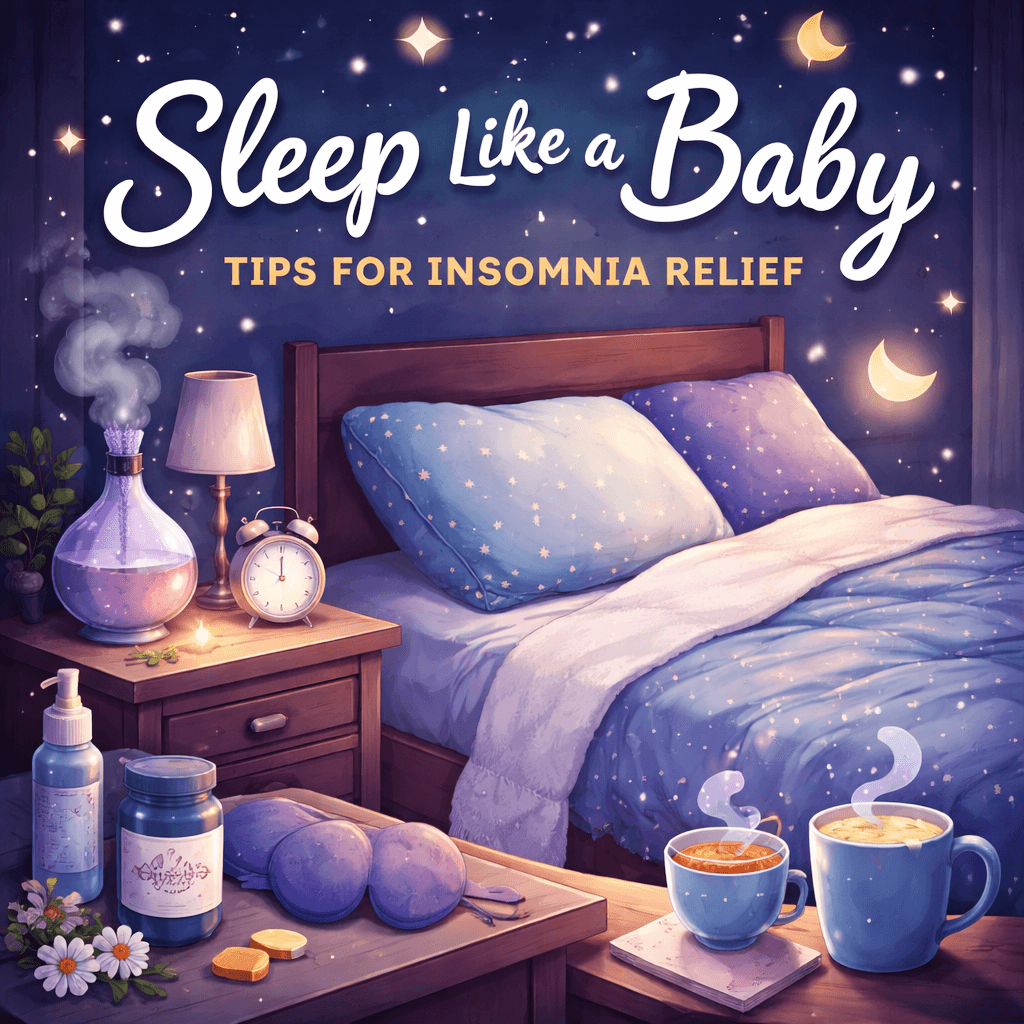
Many people struggle with sleeplessness at some point in their lives, yet chronically poor sleep isn’t just frustrating, and it can have serious health consequences. Harvard Health notes that about one‑third of adults sleep six hours or less per night, which is associated with obesity, diabetes and heart disease. Short sleep also impairs reaction time, memory and cognitive performance. When sleepless nights become a pattern, the result can be insomnia, a disorder characterised by difficulty falling asleep, staying asleep or waking too early. In this comprehensive guide you’ll learn what drives insomnia and how to reclaim restorative sleep using evidence‑backed strategies.
Understanding Insomnia
1. What is insomnia?
The NHS self‑help guide explains that insomnia refers to persistent problems falling or staying asleep or waking without feeling refreshed. Sleep problems can be transient or chronic; physicians define chronic insomnia as difficulty sleeping at least three nights a week for three months or more. According to the guide, people experiencing insomnia may feel tired, restless or irritable during the day, catch up on sleep during the day or spend time watching television in bed. Insomnia affects quality of life by impairing concentration, motivation and social interactions.
2. Why we need sleep
During sleep the body and brain cycle through stages of non‑rapid eye movement (NREM) and rapid eye movement (REM) sleep. NREM stages 3 and 4 provide the deepest rest, while REM sleep supports memory and emotional health. A complete sleep cycle lasts about 90 minutes and we typically go through four or five cycles per night. When sleep is disrupted, cognitive and physical recovery suffers.
What Causes Sleep Problems?
The NHS guide lists several factors that contribute to insomnia:
- Life changes: Major events such as moving house, starting a new job or welcoming a baby disrupt routines and can lead to excitement, worry or grief. These emotions increase mental activity and make it harder to fall asleep or stay asleep.
- Mental health conditions: Depression may cause people to oversleep or undersleep, while anxiety makes it difficult to “switch off” and relax. Post‑traumatic stress disorder and other forms of trauma can produce nightmares or hyperarousal.
- Physical conditions and pain: Chronic pain, bladder or bowel problems and mobility issues such as arthritis or Parkinson’s disease can disrupt sleep. Some medications also interfere with sleep or cause vivid dreams.
- Thoughts and habits: Expecting to sleep poorly, going to bed when not sleepy or lying awake in bed for long periods can perpetuate insomnia. Using the bed for activities like working, watching television or checking phones associates the bedroom with wakefulness.
Understanding these causes helps you target interventions. For example, if anxiety drives your sleeplessness, cognitive behavioural therapy (CBT) techniques and relaxation exercises may be most helpful. If poor habits are the culprit, improving sleep hygiene can break the cycle.
Evidence‑Based Treatments
1. Cognitive Behavioral Therapy for Insomnia (CBT‑I)
Leading sleep authorities recommend cognitive behavioural therapy for insomnia (CBT‑I) as the first‑line treatment for chronic insomnia. CBT‑I is a short, structured program that helps people change unhelpful thoughts and behaviours that perpetuate insomnia. Mayo Clinic notes that it addresses the root causes of insomnia rather than simply masking symptoms.
The Sleep Foundation explains that CBT‑I explores the connection between thoughts, behaviours and sleep. Treatment often lasts six to eight sessions and may include:
- Cognitive interventions: Challenging inaccurate thoughts about sleep through cognitive restructuring. Many people with insomnia worry that they’ll never fall asleep or fear catastrophic consequences from one sleepless night. Identifying and reframing these beliefs helps break the cycle.
- Stimulus control: Reclaiming the bed as a place for sleep and sex only. Clients are instructed to get out of bed if they cannot sleep and avoid daytime naps. Setting a consistent wake time helps reset circadian rhythms.
- Sleep restriction and compression: Limiting time spent in bed initially increases sleep drive by creating mild sleep deprivation. Over time, the amount of time in bed is gradually increased as sleep improves. This technique is not appropriate for everyone. People with bipolar disorder or seizure disorders should consult a doctor before trying it.
- Relaxation training: Techniques such as breathing exercises, progressive muscle relaxation and guided imagery reduce the racing thoughts and muscle tension that keep people awake.
- Psychoeducation: Learning how thoughts and behaviours affect sleep empowers individuals to make lasting changes.
CBT‑I has lasting benefits and no significant side effects. Although sleep medications may provide short‑term relief, Mayo Clinic warns that many come with risks such as dependence, daytime sedation and cognitive impairment. For chronic insomnia, CBT‑I is generally more effective than pills. If access to a trained practitioner is limited, self‑help guides and online CBT programs can still be useful.
2. Keeping a Sleep Diary
Sleep specialists often ask patients to keep a detailed sleep diary for one to two weeks. Recording bedtimes, wake times, naps, caffeine and alcohol intake and feelings about sleep helps identify patterns. The diary becomes a tool for tailoring CBT‑I strategies to individual needs.
Building Better Sleep Habits
Improving “sleep hygiene” the collection of behaviours and environmental factors that promote restful sleep forms the foundation of insomnia relief. The American Academy of Sleep Medicine’s Sleep Education program emphasises that sleep hygiene is an important component of CBT‑I and includes stress reduction, relaxation and managing your sleep schedule. Adopting the following habits can make a significant difference.
1. Maintain a Consistent Schedule
Going to bed and waking up at the same times every day keeps your internal clock in sync. Sleep Education advises getting up at the same time on weekends and vacations. The NHS adds that winding down at a set time each evening and maintaining identical bedtimes on weekends is key. Avoiding naps helps increase sleep drive so that you are sleepy at bedtime.
2. Create a Relaxing Bedtime Routine
Sleep quality improves when the pre‑bed hours are calm and technology‑free. The NHS recommends building time every evening to relax, reading, listening to soft music or practicing meditation. The Sleep Foundation advises turning off electronic devices at least 30 minutes before bedtime to reduce exposure to stimulating blue light. Activities such as taking a warm bath, gentle stretching, journaling or practicing gratitude can help signal to your brain that it is time to sleep.
3. Optimize Your Sleep Environment
Your bedroom should be a sanctuary. Keep the room quiet, dark and cool with a comfortable temperature between 65 to 68 °F (18 to 20 °C) is ideal. Sleep Education suggests turning off bright lights and limiting exposure to light in the evening. Use blackout curtains or an eye mask if necessary. Make sure your mattress and pillows provide good support. Remove televisions and work materials from the bedroom so it is reserved for sleep and intimacy.
4. Use the Bed Only for Sleep
To strengthen the association between bed and sleep, avoid working, eating or scrolling through your phone in bed. If you cannot fall asleep within 20 minutes, Sleep Education advises getting out of bed and doing a quiet activity in dim light until you feel sleepy. Return to bed only when you feel tired. This stimulus‑control technique, a cornerstone of CBT‑I, trains your brain to associate bed with sleep rather than wakefulness.
5. Manage Light Exposure
Blue light from phones, tablets and computers suppresses melatonin, the hormone that signals bedtime. The NHS recommends avoiding electronic devices at least an hour before sleep. At night, if you need to get up, Johns Hopkins suggests using a small flashlight rather than turning on bright lights to reduce visual disruption.
6. Limit Stimulants and Alcohol
Caffeine, nicotine and alcohol are common sleep disruptors. Sleep Education advises avoiding caffeine in the afternoon or evening. The NHS echoes this, suggesting people “ditch the bedtime caffeine” and avoid nicotine before bed. While alcohol may initially make you sleepy, it fragments sleep later in the night and can worsen insomnia. Aim to quit alcoholic drinks for better sleep.
7. Eat Mindfully
Heavy meals close to bedtime can trigger indigestion and delay sleep. Sleep Foundation notes that eating high‑calorie meals rich in fat or carbohydrates less than an hour before bed can lengthen the time it takes to fall asleep, whereas meals high in carbohydrates at least four hours before bed may shorten sleep latency. Experts advise finishing your last full meal two to four hours before bedtime and avoiding lying down immediately afterwards. If you’re hungry at night, choose a small, nutrient‑dense snack such as a handful of nuts, kiwi fruit or warm milk. Tart cherry juice, kiwis and nuts contain melatonin or serotonin and may modestly improve sleep quality. Spicy, fatty or acidic foods as well as caffeine and alcohol should be avoided near bedtime.
8. Nap Strategically
Long daytime naps reduce sleep drive and make it harder to fall asleep at night. Sleep Foundation recommends limiting naps to 20 minutes and avoiding naps after 3 p.m.. If you need to nap, keep it short and early.
Exercise and Physical Activity
Regular exercise benefits nearly every aspect of health, including sleep. Johns Hopkins sleep specialist Charlene Gamaldo, M.D., says there is solid evidence that exercise helps people fall asleep more quickly and improves sleep quality. Moderate aerobic exercise increases the amount of restorative slow‑wave sleep. Physical activity also stabilises mood and helps decompress the mind, making it easier to transition to sleep.
1. Timing matters
Exercise releases endorphins and raises core body temperature, which can temporarily boost alertness. Dr. Gamaldo recommends finishing workouts at least one to two hours before bedtime so that endorphin levels decline and body temperature drops. People sensitive to evening workouts may sleep better if they exercise earlier in the day. Others find that the timing of exercise does not affect their sleep. Listen to your body and adjust accordingly.
2. How much exercise is enough?
Johns Hopkins notes that 30 minutes of moderate aerobic exercise may improve sleep the same night. Sleep Foundation echoes that adults should aim for at least 150 minutes of moderate exercise (such as walking or biking) per week and avoid vigorous exercise two to three hours before bed. Choose activities you enjoy like yoga, swimming, dancing or strength training. So you’re more likely to stick with them.
Natural Remedies and Sleep Aids
Many people turn to natural sleep aids to soothe insomnia. It’s important to approach these remedies with realistic expectations and to consult a healthcare provider if you have underlying conditions or take medications.
1. Warm Milk, Chamomile and Tart Cherry Juice
Johns Hopkins sleep expert Dr. Gamaldo recommends warm milk, chamomile tea and tart cherry juice because they’re unlikely to cause harm and may create a relaxing ritual. Warm milk contains tryptophan and may increase serotonin, a neurotransmitter involved in sleep. Chamomile tea contains flavonoids that interact with benzodiazepine receptors in the brain and may exert a mild tranquillising effect. Tart cherry juice naturally contains melatonin and may support a healthy sleep cycle. These drinks also serve as soothing cues that bedtime is approaching.
2. Herbal Teas: Valerian, Chamomile, Lavender and More
Sleep Foundation highlights several herbal teas that may help with insomnia. Valerian root has been used for centuries as a sleep and stress aid. Extracts of valerian contain sedative compounds called valepotriates and sesquiterpenes, and research suggests valerian can improve sleep without the side effects of pharmaceutical sleep aids.
Chamomile contains apigenin, a compound that binds to receptors in the brain and may promote sleep; studies have shown chamomile tea improves sleep quality and reduces depressive symptoms in postpartum women. Lavender, whether consumed as tea or used as aromatherapy, may reduce fatigue and improve sleep quality, although evidence is limited and benefits may be short‑term. Lemon balm (Melissa officinalis) has historically been used for its antiviral and calming properties; small studies suggest lemon balm may reduce anxiety and improve insomnia. Passionflower contains flavonoids that interact with the same receptors targeted by anti‑anxiety medications; drinking passionflower tea has been shown to improve sleep quality, and combining it with other herbs may provide similar relief to traditional sleep medications.
While herbal teas are generally safe, their effects are modest and individual responses vary. Adding honey or lemon can improve taste, and drinking a warm beverage at the same time each night can reinforce sleep cues.
3. Melatonin and Supplements
Melatonin is a hormone produced naturally by the brain in response to darkness. Taking melatonin supplements can help people with circadian misalignment (e.g. shift workers or jet lag) fall asleep faster. Dr. Gamaldo notes that melatonin is available over the counter, but because supplements are unregulated, dosage and ingredients may vary between brands; she recommends purchasing from a reputable source and sticking to one brand. The National Geographic review emphasises that melatonin is a signal rather than a sedative; it doesn’t quiet anxiety and should only be used short‑term. Long‑term use may suppress natural melatonin production, and evidence for its effectiveness in chronic insomnia is limited. Pregnant women and children should not take melatonin without medical advice.
Other supplements, such as magnesium or valerian capsules, are popular but lack strong scientific evidence. The National Geographic article notes that few high‑quality studies demonstrate that natural sleep aids do more than placebo. Before trying any supplement, speak with your doctor, especially if you take other medications.
Relaxation and Mindfulness Techniques
Stress and racing thoughts are common insomnia triggers. Integrating relaxation techniques into your routine can calm the nervous system and make it easier to fall asleep.
1. Progressive Muscle Relaxation (PMR)
PMR involves systematically tensing and relaxing different muscle groups. The Sleep Foundation describes starting at the toes and working up through the legs, hips, stomach, hands, arms, shoulders, neck and face. Lying in bed, you inhale and tense the first muscle group for five to ten seconds, exhale and quickly release, then rest for ten to twenty seconds before moving on. PMR reduces muscular tension and signals to the body that it’s safe to sleep. Practise it regularly for best results, and consider recording the muscle groups or using a guided audio for convenience.
2. Non‑Sleep Deep Rest and Breathing
Non‑sleep deep rest (NSDR) is a practice similar to self‑hypnosis. It involves lying down, focusing on your breath and imagining sinking into the bed without drifting into sleep. The goal is controlled relaxation, which can restore energy and prepare your mind for sleep. Breathing exercises, like the 4‑7‑8 technique (inhale for four seconds, hold for seven seconds, exhale for eight seconds), slow heart rate and reduce anxiety.
3. Meditation and Mindfulness
The NHS advises building time before bed to relax, unwind and try meditation or mindfulness. Mindfulness practices train you to notice thoughts without getting caught up in them. If you lie awake worrying, set aside time earlier in the evening to write down concerns or a to‑do list for the next day. This cognitive off‑loading may reduce nighttime rumination. Reframing unhelpful thoughts recognising that one bad night won’t ruin the next day can also ease anxiety.
4. When Relaxation Alone Isn’t Enough
The Sleep Foundation cautions that relaxation exercises are most effective when combined with other sleep‑hygiene improvements and require practice. If after 15 minutes you are still awake, get out of bed and do a quiet activity in dim light; avoid associating your bed with frustration. And remember that some individuals particularly those with epilepsy, psychiatric conditions or trauma histories should consult a doctor before trying certain techniques.
Managing Stress and Mental Health
Since anxiety and depression often underlie insomnia, addressing mental health is crucial. Practices such as journaling, talking to a trusted friend, therapy and physical activity can reduce stress. If your insomnia stems from grief or trauma, professional counselling may be necessary. The NHS guide suggests using self‑help CBT techniques to challenge unhelpful thoughts. Mindfulness‑based stress reduction, yoga and tai chi are also helpful for some people.
When to Seek Professional Help
Occasional sleepless nights are normal, but when insomnia persists for more than a few weeks and interferes with daily functioning, it’s time to talk to a doctor or sleep specialist. Look for the following signs:
- Chronic insomnia: Difficulty sleeping at least three nights per week for three months or more.
- Significant daytime impairment: Persistent fatigue, irritability, concentration problems or reduced work performance.
- Underlying medical or psychiatric conditions: If pain, breathing problems, depression, anxiety or medications are disrupting sleep, a healthcare professional can provide appropriate treatment.
The Mayo Clinic notes that some newer sleep medicines are approved for long‑term use, but they should be considered after behavioural treatments. Medications can cause dependence, withdrawal symptoms, amnesia or daytime drowsiness. A combination of CBT‑I and medication may be appropriate in some cases. Certified behavioral sleep medicine specialists can tailor therapy to your needs, but if none are available locally, online CBT programs and self‑help guides are valuable alternatives.
Conclusion
Insomnia relief is not one‑size‑fits‑all. Start by identifying factors that disrupt your sleep like stress, irregular schedules, late‑night screen time, heavy meals or medical conditions and address them systematically. Build a consistent sleep routine, create a calming environment, and adopt good sleep hygiene. Incorporate regular physical activity and practise relaxation techniques like progressive muscle relaxation and mindfulness. Enjoy a warm, caffeine‑free drink as a ritual before bed, but be realistic about herbal teas and supplements; while some, such as valerian root or tart cherry juice, may confer modest benefits, the evidence is mixed, and bedtime rituals themselves may be doing much of the work.
If insomnia persists despite your best efforts, seek professional guidance. Cognitive behavioural therapy for insomnia addresses the thoughts and behaviours that cause sleeplessness and offers lasting relief. For some people, short‑term medication may complement therapy, but it is rarely a long‑term solution. By understanding your sleep patterns and making informed changes, you can truly “sleep like a baby” and wake up refreshed, ready to embrace each day.
Health Disclaimer
The information provided on this blog is for educational and informational purposes only and should not be considered medical, psychological, or professional healthcare advice. All content is general in nature and may not apply to your individual health circumstances.
While we strive to keep the information accurate and up to date, we make no warranties or guarantees regarding the completeness, reliability, or accuracy of the content. Any actions you take based on the information on this blog are strictly at your own risk.
Before making any decisions related to your physical or mental health, including the use of medications, therapies, exercises, or lifestyle changes, you should consult a qualified healthcare professional who can evaluate your specific condition, needs, and medical history.
Frequently Asked Questions
What is insomnia, exactly?
Insomnia is persistent difficulty falling asleep, staying asleep, or waking too early, and paired with daytime impairment (fatigue, irritability, poor focus). It’s not just “one bad night”; it’s a pattern that starts affecting your functioning.
What are the most common causes of insomnia?
Common causes include stress/anxiety, irregular sleep schedule, too much screen time at night, caffeine/alcohol/nicotine use, uncomfortable sleep environment, pain, depression, certain medications, and underlying sleep disorders (like sleep apnea).
Why do I feel tired but still can’t fall asleep?
That often happens when your brain is “on alert” (stress response) even though your body is exhausted. Racing thoughts, worry about tomorrow, or fear of not sleeping can keep your nervous system activated.
Does blue light really affect sleep?
It can. Bright light in the evening can delay your body’s natural wind-down cues. A practical approach: reduce screen use and bright overhead lighting in the hour before bed, and consider night mode/dimming if you must use devices.
Can exercise help with insomnia?
Yes, regular exercise often improves sleep quality and reduces sleep-onset time. If late workouts make you wired, move exercise earlier in the day and keep evenings lighter (walking, stretching, yoga).
Are sleeping pills safe?
Prescription or OTC sleep medications can be appropriate in select cases, but they can also carry risks (next-day grogginess, dependence, rebound insomnia, interaction with other meds, falls especially in older adults). For chronic insomnia, behavioral treatment is usually preferred first.
Why do I wake up at 3 a.m. every night?
Common reasons include stress hormones, alcohol, late eating, temperature changes, untreated sleep apnea, depression/anxiety, or simply inconsistent sleep scheduling. If it’s frequent, track patterns (bedtime, alcohol, meals, stress) to identify triggers.
How long does it take to fix insomnia?
It depends on the cause. Acute insomnia often resolves when the trigger passes and routines stabilize. Chronic insomnia improves fastest when you apply consistent behavioral strategies (often within a few weeks), especially with CBT-I methods.
How can I fall asleep faster tonight?
Try a simple “tonight plan”:
- Stop caffeine late day; avoid alcohol close to bedtime
- Dim lights 60 to 90 minutes before bed
- Do a 10-minute wind-down (warm shower, light reading, gentle stretch)
- Try progressive muscle relaxation or slow breathing
- If you’re still awake after ~20 minutes, get out of bed and return when you fell sleepy