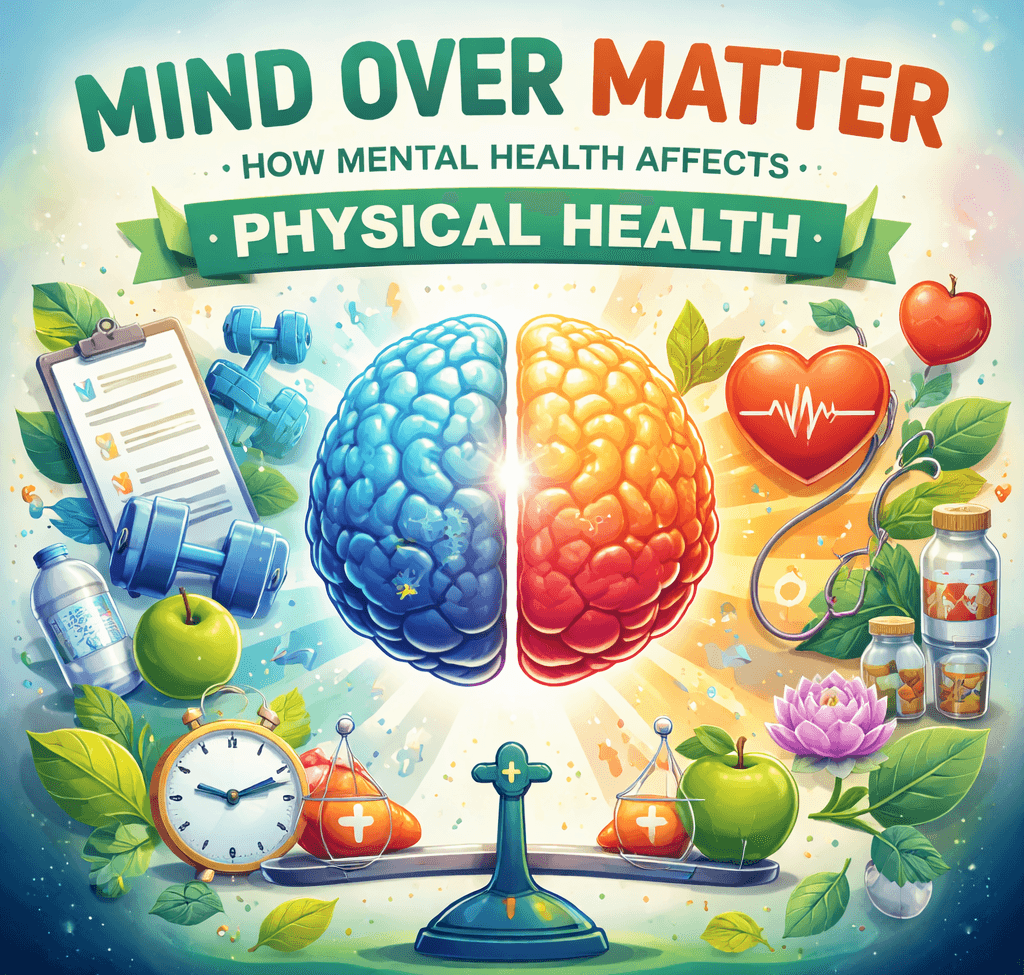
Mental health isn’t “just in your head”. It shapes how you sleep, eat, move, connect with others, manage stress and behaviors that directly influence your heart, immune system, hormones, digestion, and even pain levels. At the same time, physical illness can feed back into your mental health through inflammation, fatigue, chronic discomfort, and the emotional burden of living with symptoms.
This is the mind and body connection in real life: your brain and body operate as one integrated system. When mental health suffers, the body often feels it. When the body struggles, the mind often reacts.
In this article, you’ll learn exactly how mental health affects physical health, the most common physical symptoms linked to stress, anxiety, and depression, and the most effective steps to protect both your mind and your body without oversimplified advice or medical jargon.
What Does “Mind and Body Connection” Actually Mean?
The mind and body connection is not a motivational phrase it’s biology. Your brain constantly communicates with the rest of your body through:
- The nervous system (including your “fight-or-flight” response)
- Hormones (like cortisol and adrenaline)
- The immune system (inflammation and immune signaling molecules)
- The digestive system (the gut-brain axis)
Because these systems are connected, emotional states like chronic stress, anxiety, and depression can influence physical processes such as blood pressure, blood sugar regulation, digestion, and immune response. Over time, that influence can contribute to real, diagnosable health conditions.
How Stress Changes the Body: The Fast Track from Mind to Symptoms
Stress is not always harmful. Short-term stress can improve focus and performance. The problem is chronic stress when the body stays on high alert for too long.
1. Stress activates “fight-or-flight”
When you feel threatened (physically or emotionally), your brain signals the body to release stress hormones like adrenaline and cortisol. This response can cause:
- Increased heart rate
- Higher blood pressure
- Faster breathing
- Muscle tension
- Reduced digestion (because energy is redirected away from “rest-and-digest” functions)
That’s helpful in an emergency. But if your stress response stays active daily, your body pays a price.
2. Chronic stress fuels inflammation and immune imbalance
Long-lasting stress can disrupt immune function. Some people become more vulnerable to infections; others develop prolonged low-grade inflammation that is linked with many chronic diseases. You may notice you get sick more often, heal slower, or feel constantly run-down.
3. Stress changes behavior in ways that harm health
Stress doesn’t only affect biology. It influences decision-making. Many people under chronic stress:
- Sleep less or sleep poorly
- Eat more processed foods or skip meals
- Exercise less
- Rely on nicotine, alcohol, or stimulants
- Withdraw socially
These coping patterns are understandable but they also increase long-term health risks.
Anxiety: When Worry Becomes a Physical Experience
Anxiety is often experienced as a mental loop (“what if…?”), but the body experiences it too. Common physical symptoms of anxiety include:
- Chest tightness, fast heartbeat, palpitations
- Shortness of breath
- Stomach upset, nausea, diarrhea, or constipation
- Dizziness or lightheadedness
- Muscle tension, headaches, jaw clenching
- Shaking, sweating, feeling “on edge”
- Insomnia or restless sleep
- Frequent urination
Why anxiety shows up in the body
Anxiety keeps the nervous system “turned on.” Even if nothing dangerous is happening, the brain’s threat-detection circuits can behave as if you’re under attack. The body responds accordingly. Over time, this can contribute to:
- Digestive issues (because digestion works best in a calm state)
- Chronic muscle pain and tension-related headaches
- Elevated blood pressure in some people
- Worsening of existing conditions (like asthma or irritable bowel symptoms)
Depression: The Mind and Body Impact That Often Gets Missed
Depression is not simply sadness. It can involve changes in energy, motivation, sleep, appetite, and concentration belong functions that are deeply physical. Common physical symptoms of depression include:
- Persistent fatigue or low energy
- Changes in sleep (insomnia or sleeping too much)
- Changes in appetite and weight
- Slower movement or agitation
- Body aches, back pain, headaches
- Digestive discomfort
- Reduced immune resilience
Depression and chronic disease risk (the two-way relationship)
Depression can increase the likelihood of developing certain physical health conditions like partly through inflammation and hormone pathways, and partly through reduced capacity for self-care (skipping checkups, inconsistent medication use, low activity, etc.). On the other side, living with chronic conditions can increase the risk of depression due to ongoing stress, pain, and life disruption.
This is why treating mental health is not separate from treating physical health. It’s often part of the same clinical picture.
The Heart and Mind Connection: Stress, Depression, and Cardiovascular Health
Mental health and heart health are strongly linked. When stress and depression are prolonged, they can influence:
- Blood pressure and heart rate variability
- Inflammatory markers
- Lifestyle risk factors (activity, diet, smoking, alcohol)
- Adherence to medical care
Many public health and clinical sources emphasize that mental health challenges can appear alongside heart disease and that emotional distress can complicate recovery after cardiac events. This is one of the clearest examples of the mind-body connection in everyday medicine.
Sleep: The Bridge Between Mental and Physical Health
Sleep is one of the most powerful “connectors” between mental health and physical health. When mental health is strained, sleep often suffers. And when sleep suffers, almost everything in the body becomes harder to regulate:
- Appetite hormones and cravings shift
- Stress tolerance drops
- Inflammation can rise
- Blood sugar regulation becomes less stable
- Mood and anxiety symptoms intensify
It becomes a loop: stress → poor sleep → worse stress tolerance → more stress.
Improving sleep is often one of the fastest ways to see improvements in both mood and physical symptoms especially fatigue, headaches, and emotional reactivity.
The Gut and Brain Axis: Why Stress Affects Digestion (and Vice Versa)
If you’ve ever felt “butterflies” before an event or lost your appetite during a stressful week. You’ve experienced the gut-brain axis. Your gut and brain communicate through:
- Nerves (especially the vagus nerve)
- Hormones
- Immune signaling
- Gut microbiota (the community of microbes in your digestive tract)
How mental health impacts digestion
Chronic stress and anxiety can contribute to:
- Stomach pain
- Bloating
- Reflux symptoms
- Diarrhea or constipation
- Worsening of IBS-like symptoms
How digestion can influence mood
Digestive dysfunction can also affect mental health through discomfort, food avoidance, microbiome disruption, and inflammation. This is why a holistic approach addressing both stress and digestive habits often works best.
Mental Health, Immunity, and Getting Sick More Often
Many people notice a pattern: during intense stress, they catch colds more easily or take longer to recover. That’s not imagination.
Stress hormones can alter immune response, and chronic stress can disrupt the body’s ability to regulate inflammation effectively. The result may include:
- Increased susceptibility to infections for some people
- Slower wound healing
- A general feeling of low vitality
This doesn’t mean stress is the only factor in immunity but it can be a meaningful contributor, especially when paired with poor sleep and inadequate nutrition.
Chronic Pain and Mental Health: A Reinforcing Cycle
Chronic pain and mental health issues often travel together. Pain affects mood, sleep, and daily functioning. Anxiety and depression increase pain sensitivity, reduce coping capacity, and can amplify the nervous system’s “alarm signals.”
This doesn’t mean pain is “all in your head.” It means the nervous system is involved in both pain processing and emotional regulation so treating one side can support the other.
A practical takeaway: pain care works best when it includes mental health support, such as therapy, stress reduction, movement rehab, and sleep improvement not only medications.
Social Connection: An Underrated Health Tool
Strong relationships and social support aren’t just comforting they’re protective. Healthy connection can:
- Lower perceived stress
- Improve resilience during difficult periods
- Encourage healthier behaviors (activity, routines, medical adherence)
- Reduce loneliness, which is linked to poorer health outcomes
If mental health struggles cause isolation, physical health can suffer indirectly through reduced activity, less support, and increased stress load.
How to Break the Cycle: Practical Steps That Improve Mental and Physical Health
You don’t need perfection. You need consistent, realistic actions that reduce stress load and rebuild regulation.
1. Treat mental health like a core health metric
If you track weight, blood pressure, or cholesterol, track mental health too:
- Mood stability
- Stress frequency
- Sleep quality
- Anxiety level
- Ability to enjoy daily life
This mindset shift alone can improve follow-through with support and treatment.
2. Build “nervous system recovery” into your day
Your body needs time in “rest-and-digest.” Simple daily practices can help:
- Slow breathing (even 3 to 5 minutes)
- Short walks outdoors
- Stretching and mobility work
- Prayer/meditation or mindful quiet time
- Journaling to unload mental pressure
These are not just relaxation tips. They’re regulation tools that will help you for recovery.
3. Move your body in a way you can sustain
Physical activity is one of the strongest interventions for both brain and body. It supports mood, sleep, metabolic health, and stress resilience. Start small:
- 10 minutes of walking after meals
- Home-based strength sessions 2 to 3x/week
- Gentle yoga or stretching if you’re fatigued
Consistency beats intensity. If you do exercise regularly you support your physical health.
4. Upgrade sleep without making it complicated
Try these fundamentals:
- Fixed wake-up time (even on weekends)
- Morning sunlight exposure when possible
- Reduce caffeine late in the day
- Keep screens out of bed if you can
- A 30 to 60 minute wind-down routine
Sleep is not a luxury. It’s a biological foundation for emotional stability and physical recovery.
5. Nourish the gut and stabilize blood sugar
Mood and energy are easier to regulate when the body is well-fueled:
- Eat regular meals (avoid long fasts if they trigger anxiety)
- Prioritize protein and fiber
- Reduce ultra-processed foods when possible
- Hydrate consistently
If you struggle with appetite during anxiety or depression, aim for “minimum viable nutrition” instead of all-or-nothing dieting.
6. Seek support early before symptoms become chronic
You don’t need to wait until you “can’t cope.” Effective support may include:
- Therapy (CBT, trauma-informed therapy, or other modalities)
- Medical evaluation (rule out thyroid issues, anemia, vitamin deficiencies, sleep apnea)
- Psychiatric support when appropriate
- Support groups or trusted community spaces
Mental health care is health care. It may reverse or reduce chronic symptoms and improve your overall health.
When to Talk to a Doctor Immediately
Seek urgent medical attention if you experience:
- Chest pain, fainting, severe shortness of breath, or sudden weakness
- Suicidal thoughts, self-harm urges, or feeling unsafe
- Severe panic symptoms that mimic a heart event and don’t improve
For ongoing symptoms like fatigue, insomnia, headaches, digestive distress, or chronic pain especially when paired with anxiety or depression, book a routine appointment and discuss both physical and mental factors. The best outcomes often come from integrated care.
Final Takeaway
If you only remember one thing, make it this: Mental health affects physical health through stress biology, sleep, inflammation, digestion, behavior, and social connection. Improving mental health doesn’t only help you feel better emotionally; it can improve energy, immunity, pain, heart health, and overall quality of life.
You don’t have to “think positive” to get results. You need a plan that supports your nervous system, your habits, and your environment step by step.
Health Disclaimer
The information provided on this blog is for educational and informational purposes only and should not be considered medical, psychological, or professional healthcare advice. All content is general in nature and may not apply to your individual health circumstances.
While we strive to keep the information accurate and up to date, we make no warranties or guarantees regarding the completeness, reliability, or accuracy of the content. Any actions you take based on the information on this blog are strictly at your own risk.
Before making any decisions related to your physical or mental health, including the use of medications, therapies, exercises, or lifestyle changes, you should consult a qualified healthcare professional who can evaluate your specific condition, needs, and medical history.
Frequently Asked Questions
How does mental health affect physical health?
Mental health influences physical health through stress hormones (like cortisol), nervous system activation, inflammation, sleep quality, appetite, and daily habits. Chronic stress, anxiety, or depression can strain the heart, weaken immunity, disrupt digestion, and increase pain sensitivity.
Does stress weaken the immune system?
Long-term stress can disrupt immune function. Some people get sick more easily or recover slower because chronic stress can interfere with immune regulation and promote low-grade inflammation.
Can poor mental health affect heart health?
It can. Chronic stress and depression may contribute to higher blood pressure, unhealthy coping behaviors (smoking, inactivity, poor diet), sleep disruption, and inflammation all of which affect cardiovascular health. Mental health also impacts recovery and adherence to treatment in people with heart conditions.
Can improving mental health improve physical health?
Often, yes. When stress is managed and mood improves, people usually sleep better, move more, eat more regularly, and reduce harmful coping habits. This can improve energy, digestion, immune resilience, and even pain levels over time.
When should I see a doctor for physical symptoms that might be stress-related?
If symptoms are new, severe, persistent, or worsening, get checked especially chest pain, fainting, severe shortness of breath, weakness, or unexplained weight loss. Even if stress is a factor, it’s important to rule out medical causes and treat both mind and body together.
Can therapy help physical health too?
Yes. Therapy can reduce stress reactivity, improve coping skills, and support healthier behaviors. Many people see improvements in sleep, digestion, pain management, and overall functioning when mental health is treated effectively.