Anxiety is a normal human emotion, but anxiety disorders occur when feelings of fear, worry or panic become intense, persistent and interfere with daily life. They are among the most common mental health conditions, affecting hundreds of millions worldwide. In an anxiety disorder, a person may feel overwhelming fear or dread that is out of proportion to the situation. Common symptoms include psychological signs like persistent worry, panic, feeling on edge or irritable, and physical signs such as racing heart, shortness of breath, muscle tension, sweating, and insomnia. For example, someone with generalized anxiety disorder may constantly fret about work or health, while a person with panic disorder may suddenly experience intense fear along with palpitations or sweating. These symptoms can make it hard to function normally at school, work or in social settings.
Effective anxiety treatment options do exist, ranging from talk therapies to lifestyle changes to medications. Among the most discussed are mindfulness meditation a natural, self-help approach and prescription medications like antidepressants and tranquilizers. This article compares meditation and medication as strategies to manage anxiety, reviewing how each works, their benefits and side effects, and what research and experts say about using one or both.
Understanding Anxiety and Its Symptoms
Anxiety is a normal response to stress, but anxiety disorders are different from everyday worry. In anxiety disorders, the anxiety does not go away and can get worse over time, often without any obvious trigger. There are several types generalized anxiety disorder (excessive daily worry), panic disorder (unexpected panic attacks), social anxiety (fear of scrutiny), phobias, and others. Anxiety disorders are highly distressing and can impair work, relationships, and quality of life. In fact, if left untreated, chronic anxiety can even increase risk of depression or substance abuse.
Common symptoms of anxiety can include
- Psychological: Persistent worry or fear, feelings of dread or panic, irritability, racing thoughts, and difficulty concentrating.
- Physical: A pounding or racing heart, shortness of breath, restlessness, muscle tension, stomach upset or nausea, trembling or sweating, and trouble sleeping.
For example, someone experiencing an anxiety attack may suddenly feel their heart pounding and hands sweating, alongside a sense of impending doom. Others might feel a constant knot of worry in their stomach or be unable to relax in social situations. Because the brain and body are closely linked, anxiety can also cause fatigue, headaches or other stress-related symptoms. It’s important to recognize these signs and know that help is available.
Anxiety disorders are treatable. A combination of therapy, lifestyle changes, meditation, and/or medication can effectively reduce symptoms.
Meditation for Anxiety
Meditation (including mindfulness practices) is a mind-body approach often described as a “natural remedy for anxiety”. It involves training attention and awareness to achieve a mentally clear and emotionally calm state. Mindfulness meditation, for example, typically means focusing on the present moment often through the breath and observing thoughts and feelings without judgment. Other forms include guided imagery (imagining a peaceful scene), mantra meditation (repeating a calming word or phrase), loving-kindness meditation (focusing on compassion), and movement-based practices like yoga or Tai Chi.
Meditation is a mind-body practice that encourages relaxation and a calm mental state. For instance, Mayo Clinic notes that if “stress has you anxious, tense and worried, you might try meditation. Spending even a few minutes in meditation can help restore your calm and inner peace”. By “clearing away the information overload” of daily life, meditation builds a new perspective on stress and anxiety. Physiologically, meditation can slow heart rate and breathing, reduce levels of stress hormones, and increase activity in brain areas (like the prefrontal cortex) involved in emotional regulation. In one recent neuroscientific study, even a single guided “loving-kindness” meditation session caused measurable changes in brainwave activity within deep emotional centers (the amygdala and hippocampus) of participants. Such changes may explain why meditation often leads to improved mood and reduced anxiety over time.
1. How Meditation Helps Manage Anxiety
Research supports the idea that regular meditation practice can significantly reduce anxiety. For example, a 2022 randomized trial (published in JAMA Psychiatry) compared an 8 week mindfulness based stress reduction (MBSR) course to the antidepressant escitalopram in people with anxiety disorders. The study found that both treatments produced similar reductions in anxiety symptoms. After 8 weeks, patients in the meditation group had nearly the same drop in anxiety severity as those taking medication. In practical terms, both groups saw roughly a 30% decrease in symptom severity.
Other studies and meta-analyses also report benefits of meditation. Mindfulness training has been shown to improve coping skills, reduce negative thinking, and decrease physiological stress markers in many people with anxiety and depression. In effect, meditation teaches people to notice anxious thoughts or sensations nonjudgmentally and to let them pass, which can break the cycle of worry. Over time, this practice builds stress resilience people become better at managing triggers without becoming overwhelmed. In one example, a participant in a mindfulness program described that meditating gave her the “tools to spy on [herself]” and choose how to respond to anxiety, preventing it from escalating.
2. Benefits of meditation for anxiety include
2.1. Fewer side effects
Meditation has virtually no adverse side effects like medications do. Aside from the rare case where someone might briefly feel more anxious as they confront difficult thoughts, meditation is safe and gentle. It is completely noninvasive and drug-free.
2.2. Accessible and inexpensive
You can practice meditation almost anywhere with minimal equipment (a quiet space or even a phone app). Unlike some treatments, it doesn’t require a doctor’s prescription.
2.3. Lasting coping skills
Meditation builds a skill that stays with you. Over time, it can change brain patterns and teach long-term strategies to manage anxiety. For instance, mindfulness can make you more aware of the present moment and give you greater control over how you react to stressors.
2.4. Whole-body benefits
Studies show meditation can lower resting heart rate and blood pressure, improve sleep, and enhance overall well-being. These changes help reduce the physical symptoms of anxiety (like tension and insomnia).
Although meditation is a powerful tool, it requires commitment. Traditional MBSR courses, for example, involve weekly classes (often 2 to 2.5 hours each) plus daily home practice. As Georgetown researchers note, “not everyone is willing to invest the time and effort to successfully complete all of the necessary sessions and do regular home practice”. Virtual or app-based meditation programs are more convenient, but researchers caution that the benefits seen in intensive group programs may not be fully matched by apps. In the above study, only about 28% of the meditation group were still practicing daily four months later, compared to 52% adherence in the medication group. This underscores that regular practice and support (such as group classes or a teacher) help sustain meditation’s effects.
3. Expert insight
Clinicians emphasize that meditation works, but it’s not magic. Joy Harden Bradford, a psychologist, notes that mindful practice is “not a quick cure” it can take weeks or months to build benefits. For example, meditation may take longer to ease frequent panic attacks than a fast-acting drug. However, when practiced consistently, mindfulness can achieve anxiety reduction on par with medication, with far fewer side effects.
Medication for Anxiety
Medical treatment is another cornerstone of anxiety management. Anxiety medications include several drug classes that act on neurotransmitters in the brain to reduce fear and worry. A doctor will consider symptom type and severity when prescribing a medication.
1. Common anxiety medications
1.1. Selective Serotonin Reuptake Inhibitors (SSRIs)
These antidepressants (like sertraline, escitalopram, paroxetine) are first-line treatments for many anxiety disorders. They work by increasing serotonin signaling in the brain, which improves mood and stress response. Examples include Lexapro (escitalopram) and Zoloft (sertraline).
1.2. Serotonin Norepinephrine Reuptake Inhibitors (SNRIs)
Another type of antidepressant (e.g. venlafaxine, duloxetine) that affects both serotonin and norepinephrine, also effective for anxiety.
1.3. Benzodiazepines
Fast-acting tranquilizers (such as alprazolam [Xanax], lorazepam [Ativan], clonazepam) used for acute anxiety and panic. They enhance the calming neurotransmitter GABA, providing quick relief of tension and panic. However, they are usually prescribed only short-term (due to tolerance and addiction risk).
1.4. Beta-blockers
Although not anxiolytics per se, beta-blockers (like propranolol) reduce physical symptoms of anxiety (such as rapid heartbeat, shaking or sweating) by blocking adrenaline effects. They are often used situationally (for example, performance anxiety or stage fright).
1.5. Other options
In some cases, doctors may try medications like buspirone (a non-sedating anti-anxiety pill) or certain antidepressants (like tricyclics or pregabalin) for anxiety.
These medications have a strong evidence base. For instance, the JAMA Psychiatry study used escitalopram (10 to 20 mg daily) in one arm and found it effectively lowered anxiety scores. SSRIs/SNRIs typically take several weeks to reach full effect, so patients must continue taking them even if relief isn’t immediate. Benzodiazepines work within hours, which is why they can stop an acute panic attack quickly, but they must be tapered off gradually.
2. Benefits
Medications can provide relatively rapid and reliable symptom relief. In many cases, they allow people to function normally improving sleep, concentration, and mood which in turn help them engage in therapy or meditation practice more effectively. Medications are widely available and usually covered by insurance (unlike most meditation classes). For example, nearly two-thirds of patients who start an antidepressant fill their prescription. According to researchers, antidepressants and therapies “are the go-to types” because they work in a majority of patients.
3. Side effects and risks
Unlike meditation, all medications carry some downsides. Common side effects of SSRIs/SNRIs include nausea, headache, dry mouth, sexual dysfunction, insomnia or drowsiness. In the Georgetown study, 78% of patients on escitalopram experienced at least one adverse effect, versus only 15% in the meditation group. Most frequently reported for escitalopram were insomnia, nausea, fatigue and headache. Long-term use of SSRIs can also lead to emotional blunting or weight changes in some people. The FDA requires a warning that young people (<25 years) on antidepressants may have an increased risk of suicidal thoughts, so clinicians monitor this closely. Benzodiazepines can cause sedation, dizziness, memory issues and decreased coordination. Because the brain gets used to them, they can become less effective over time and have potential for dependence. Therefore, doctors usually limit benzos to short courses or as-needed use. Beta-blockers’ side effects include low blood pressure, fatigue or cold hands, but they do not address the psychological aspect of anxiety.
In summary, medication side effects are often the trade-off for faster relief. As one psychiatrist noted, “drugs… can be very effective, but many patients… find the side effects (nausea, sexual dysfunction and drowsiness) a barrier to consistent treatment”. This highlights why some people seek natural remedies or complementary approaches to avoid or reduce drug use.
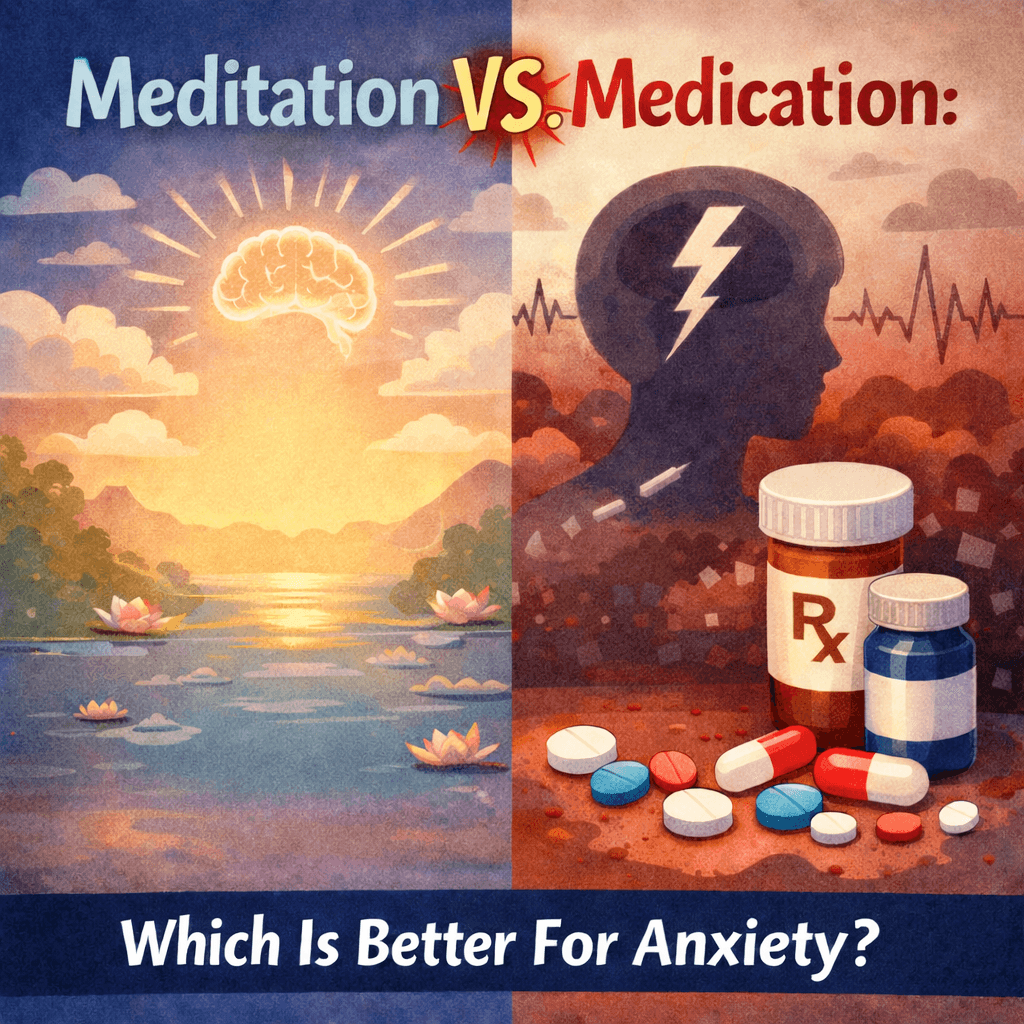
Meditation vs. Medication: Key Differences
When deciding between meditation and medication (or using both), it helps to compare their benefits and drawbacks:
1. Effectiveness
Both meditation and medication can substantially reduce anxiety, especially when practiced or taken consistently. Recent research suggests they can be about equally effective for many people. In the large clinical trial mentioned earlier, guided meditation (MBSR) was found “as effective as” escitalopram in lowering anxiety symptoms. Both groups saw similar improvement on standardized anxiety scales. However, individual responses vary some may respond better to one approach than the other.
2. Speed of relief
Medications (especially benzodiazepines) typically act faster than meditation. A short-acting anti-anxiety pill can dull panic symptoms in hours, whereas meditation requires weeks of practice to gain full benefits. As psychotherapist Joy Harden Bradford cautions, “someone with panic attacks may have much quicker reduction in those attacks with [medication], rather than waiting weeks for meditation practices to take hold”. This means that for acute or severe anxiety, medication is often necessary to stabilize symptoms quickly. Meditation is better viewed as a supportive skill-building practice that pays off over time.
3. Side effects
Meditation has far fewer side effects. In controlled trials, no participants dropped out of meditation due to adverse effects, while some patients on medication did. Typical “side effects” of meditation might include briefly feeling anxious during practice or discomfort sitting still, but these are mild and transient. In contrast, medication side effects can significantly affect quality of life. For example, antidepressant side effects like sexual problems or insomnia are well-known barriers to adherence. Some side effects (like sedation from benzodiazepines) even mimic anxiety symptoms and can be unsettling.
4. Commitment and accessibility
Both approaches require a degree of commitment. Medications require remembering to take pills regularly and following up with a doctor. Meditation requires time and practice often daily. An in-person mindfulness class takes hours per week plus daily homework. People with busy schedules or limited mobility may find it hard to commit. However, meditation can be done anywhere (e.g. at home with an app) and builds self-reliance, whereas medication requires medical supervision. Clinicians note that insurance coverage for meditation is rare, whereas medication costs can often be partially covered.
5. Long-term outcomes
Over the long haul, meditation teaches self-management skills that can last a lifetime. Once learned, a person can meditate throughout life with no additional cost (aside from perhaps occasional refresher courses). Medication, by contrast, typically must be taken continuously to maintain its effect stopping an SSRI often leads to return of symptoms. Interestingly, follow-up data from the MBSR versus Lexapro study showed that more patients remained on medication after 6 months (52%) than continued daily meditation (28%). This reflects how habits differ: taking a pill may become routine, whereas formal meditation practice can be harder to sustain without support.
6. Holistic vs. targeted effect
Meditation is a holistic practice its benefits often extend beyond anxiety relief to improve overall well-being, focus, and emotional balance. Medication targets the neurochemical aspects of anxiety but doesn’t necessarily teach coping strategies. For someone looking to manage anxiety naturally, meditation (along with exercise, good sleep, healthy diet) is a core tool. Medical treatments are more targeted: they tend to fix the chemical imbalance but not address underlying thought patterns or stressors.
7. Expert opinion
Dr. Michael Mrazek, a clinical researcher, emphasizes that meditation “can achieve similar outcomes with fewer side effects” than medication. He notes that mindfulness is a well-tolerated option that can help people who avoid or cannot use drugs. However, he also points out that learning meditation is like learning a new skill; it takes time and guidance. For this reason, he suggests combining approaches whenever possible.
Choosing the Right Approach (or Both)
There is no one size fits all answer. The choice between meditation and medication depends on the individual’s needs, preferences, and the severity of their anxiety:
1. Mild to Moderate Anxiety
People with milder symptoms or those seeking to complement other therapies may start with meditation and lifestyle changes. Because meditation is low-risk, it’s often recommended as an early intervention or preventative measure. In fact, many mental health experts encourage healthy adults to incorporate meditation or relaxation exercises to manage stress before it becomes clinically significant.
2. Severe Anxiety or Panic
If someone’s anxiety is severe such as frequent panic attacks, debilitating worry, or interference with basic functioning medication is often advised, at least initially. SSRIs/SNRIs are first-line for conditions like panic disorder, social anxiety, or severe generalized anxiety. Medication can quickly stabilize extreme symptoms (for example, benzos can calm an intense panic attack). Once the situation is stabilized, adding meditation and therapy can support longer-term improvement. This combined approach is common: a patient may take an antidepressant while learning coping skills in therapy or meditation.
3. Situations where one is preferred
There are scenarios where one approach has a clear advantage. For example, someone with a history of substance use might avoid benzodiazepines. Or an individual who has had bad experiences with medication side effects might prefer to try meditation or CBT first. Conversely, someone in crisis (severe panic or obsession) may need prompt pharmacological help. Elderly patients or pregnant women may also favor meditation due to medication risks. Clinicians assess each case: as one psychologist says, it’s not about “pitting med vs meditation” but using the right tools for the situation.
4. Integrated approach
Most experts agree that combining meditation and medication (often along with therapy) yields the best results for many people. Medication can provide relief so that the person has the capacity to engage in meditation, exercise, or talk therapy. Over time, as meditation builds resilience, some patients may even be able to taper off medications under medical supervision. Importantly, neither approach requires exclusion of the other unless indicated. For example, after initial stabilization with meds, patients are often referred to mindfulness programs, and vice versa.
5. Natural remedies
In addition to meditation, other natural strategies help manage anxiety. Regular physical exercise, breathing exercises, adequate sleep, and stress-reduction techniques are all considered part of natural anxiety treatment. For instance, yoga combines movement and mindfulness, offering both physical exercise and meditative focus. Such healthy habits complement any medication regimen and are universally recommended by mental health professionals as part of a comprehensive anxiety treatment plan.
Conclusion
In summary, both meditation and medication can be effective for treating anxiety. Recent high-quality research shows that an 8 week mindfulness meditation program can reduce anxiety symptoms nearly as much as a standard anti-anxiety drug. Meditation offers a low-risk, low-cost way to improve mental health and cultivate long-term resilience, making it an excellent part of many people’s anxiety treatment plan. Medication, on the other hand, provides fast relief and consistency when anxiety is severe or unmanageable by other means.
Ultimately, the best approach depends on the individual. Moderate anxiety may be managed well with meditation and lifestyle changes alone, especially for those seeking natural remedies. More intense or persistent anxiety often benefits from medication (often alongside mindfulness or therapy). Many clinicians recommend a blended approach: using medications to gain control, while learning meditation and coping skills to maintain it.
Speak with a healthcare provider about your options. Anxiety is highly treatable, and evens a simple step like learning basic meditation techniques can make a big difference. There’s no harm in starting with short daily mindfulness exercises it may well boost your overall anxiety management strategy. Regardless of the method, taking action is key: choosing some evidence-based anxiety treatment is much better than doing nothing.
In the end, meditation and medication aren’t true opposites but partner tools. Both aim to help people enjoy a calmer, more balanced life. By understanding how each works and working with medical professionals you can build an anxiety treatment plan that fits your needs and lifestyle.
Health Disclaimer
The information provided on this blog is for educational and informational purposes only and should not be considered medical, psychological, or professional healthcare advice. All content is general in nature and may not apply to your individual health circumstances.
While we strive to keep the information accurate and up to date, we make no warranties or guarantees regarding the completeness, reliability, or accuracy of the content. Any actions you take based on the information on this blog are strictly at your own risk.
Before making any decisions related to your physical or mental health, including the use of medications, therapies, exercises, or lifestyle changes, you should consult a qualified healthcare professional who can evaluate your specific condition, needs, and medical history.
Frequently Asked Questions
Is meditation or medication “better” for anxiety?
It depends on the person, the type of anxiety, and symptom severity. Research suggests structured mindfulness programs can reduce anxiety symptoms at a level comparable to common medications for many people, but medication may be more appropriate when symptoms are severe, disabling, or require faster stabilization.
How fast does meditation work for anxiety?
Meditation is typically not an instant fix. Many people notice small improvements (like calmer breathing or better sleep) within days to a couple of weeks, but meaningful, sustained anxiety reduction often takes several weeks of consistent practice especially with structured programs like mindfulness-based stress reduction (MBSR).
Can I meditate while taking anxiety medication?
Yes, and many clinicians consider it a complementary strategy. Meditation can improve coping skills and stress resilience while medication reduces symptom intensity making it easier to practice skills consistently. Always follow your prescriber’s guidance and don’t change doses without medical advice.
Will meditation let me stop medication?
Sometimes, but not always. Some people improve enough with therapy, meditation, and lifestyle changes to reduce or discontinue medication but this should only be done with a clinician, since sudden changes can cause withdrawal symptoms or relapse.
Are anxiety medications addictive?
Some can be. Benzodiazepines carry a higher risk of dependence, especially with long-term use. SSRIs/SNRIs are not considered addictive, but stopping them suddenly can cause discontinuation symptoms so tapering under medical supervision is important.
What are the most common side effects of anxiety medication?
Common SSRI/SNRI side effects include nausea, headache, sleep changes, fatigue, and sexual side effects. Benzodiazepines may cause drowsiness, dizziness, impaired coordination, and dependence risk. Side effects vary by person and medication.
Is meditation a “natural remedy for anxiety” that replaces therapy?
Meditation is a helpful natural strategy, but it’s not a replacement for professional care when anxiety is severe or persistent. Many people get the best results by combining meditation with evidence-based therapy (like CBT) and healthy lifestyle changes.