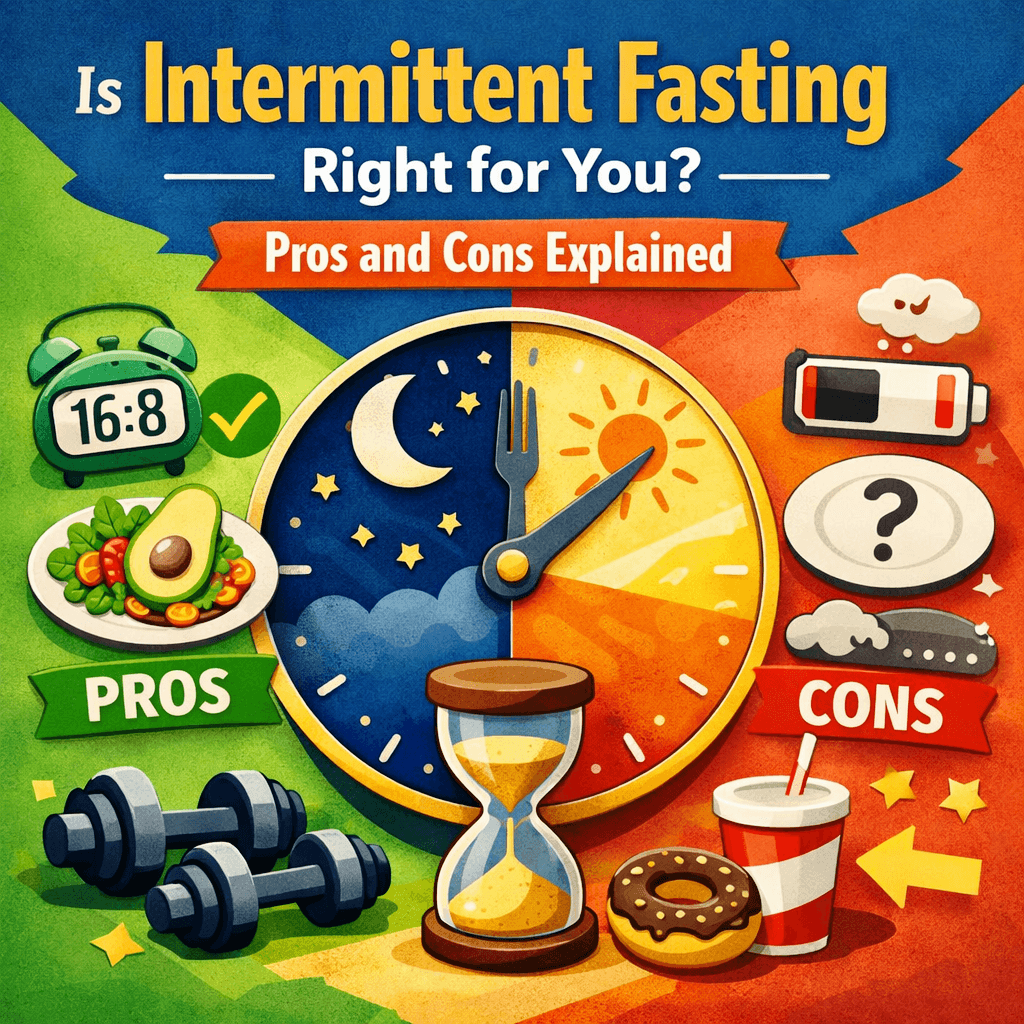
Intermittent fasting has become a hugely popular eating pattern in recent years. As one cardiologist quips, “if you’re not doing it yourself, you probably know someone who is”. Unlike diets that focus on what to eat, intermittent fasting focuses on when you eat. For example, you might eat normally during an 8 hour window each day and fast the remaining 16 hours. During fasting periods you consume few or no calories, often only water or plain coffee/tea.
Our bodies are actually well-adapted to periodic fasting. Historically (e.g. hunter-gatherer times), humans went long hours or days without food, and modern research suggests that time restricted eating can trigger beneficial metabolic changes. After about 10 to 12 hours without food, stored glucose runs low and the body switches to burning fat for energy (“metabolic switching”). This switch produces ketones and can activate cellular “housekeeping” (autophagy) that may reduce inflammation and repair cell damage. In short, intermittent fasting keeps your metabolism in fat burning mode longer and may trigger protective processes linked to longevity and brain health. Of course, science is still evolving, and experts note that simply cutting calories (eating less) can produce many of the same benefits.
Common Intermittent Fasting Methods
There are several popular intermittent fasting schedules. For example:
- Time Restricted Feeding (16:8, 14:10, etc.): Eat during a daily window (e.g. 8 hours) and fast the rest of each day. The typical “16:8” plan means eating from, say, 12 pm to 8 pm and fasting 8 pm to 12 pm.
- 5:2 Diet: Eat normally 5 days per week, but on 2 days (nonconsecutive) restrict calories to about 500 to 600 total.
- Alternate-Day Fasting: Alternate between feast days (normal eating) and full or partial fast days (no or minimal calories). Some do strict alternate-day fasting; others eat ~25% calories on “fast” days.
- OMAD (One-Meal-a-Day): A very extreme time-restricted approach: all daily calories in a single meal, with ~23 hours of fasting. One study found that eating one meal per day led to significant fat loss and increased fat-burning during exercise, without harming strength, though this is quite a rigid regimen.
Each method works by lengthening the time your body goes without calories, but no single plan is best for everyone. Most studies of intermittent fasting have examined healthy adults over weeks or months, so results can vary by person. The key point is that all intermittent fasting plans tend to reduce total calorie intake and trigger the metabolic switch described above.
Potential Benefits of Intermittent Fasting
Eating balanced, whole-food meals in a limited time window can support weight control and metabolic health. Research shows that many of intermittent fasting’s touted benefits stem from improved weight and metabolic markers. For example:
1. Weight loss and fat loss
Most studies find that intermittent fasting leads to weight loss, generally comparable to a standard reduced-calorie diet. By limiting eating windows, people naturally consume fewer calories (one expert notes people “often consume fewer calories just because they have less time to eat”). The metabolic switch to fat-burning means you tap into fat stores. Over weeks or months, this often yields significant fat loss while largely preserving muscle one study even found 16:8 fasters lost fat but maintained muscle mass.
2. Improved metabolic health
Intermittent fasting is linked to better insulin sensitivity, lower blood sugar and insulin levels, and reduced inflammation. For instance, studies report lower fasting glucose, lower blood pressure, and healthier cholesterol levels in many intermittent fasting practitioners. A Harvard research team also found consistent drops in blood pressure and markers of oxidative stress on an intermittent fasting regimen. By lowering the hormone insulin and increasing fat-burning, intermittent fasting may help reverse trends of obesity, type 2 diabetes and heart disease.
3. Hormonal benefits
Fasting affects hunger and satiety hormones in ways that can smooth out appetite. For example, Dr. Courtney Peterson’s studies show intermittent fasting reduces the hunger hormone ghrelin and keeps cravings more stable, so many people feel less “hangry” during the day. The body also produces more growth hormone during fasting, which can help burn fat. Some proponents claim improved mental clarity and focus and while evidence is still emerging, early studies in animals and limited human trials suggest cognitive benefits.
4. Cellular repair and longevity
Intermittent fasting triggers autophagy and reduces oxidative damage. In animal studies, this has translated to longer lifespans and delayed aging markers. In humans, intermittent fasts have been associated with reductions in age-related biomarkers and even lowered risk factors for chronic diseases. One NEJM study famously described intermittent fasting effects as a “longer life, a leaner body, and a sharper mind”. While humans aren’t guaranteed a fountain of youth, many experts believe that intermittent fasting’s activation of cellular repair pathways can help protect against metabolic and neurodegenerative diseases over time.
5. Simplicity and ease
Many people find intermittent fasting simpler than counting calories. It’s a built-in portion control: skip late-night snacks and don’t have to constantly calculate meals. In fact, one doctor notes that intermittent fasting can be “a much more attractive option than constantly counting calories”. By planning fewer meals, many report that diet adherence feels easier once the body adjusts. Of course, this depends on your routine e.g. if you love breakfast, skipping it may be hard.
In summary, intermittent fasting’s pros include weight and fat loss (driven by calorie reduction), improved blood sugar, cholesterol and blood pressure, reduced inflammation, and cellular “house-cleaning” that may support longevity. These benefits have been documented in multiple scientific reviews and clinical studies. Many intermittent fasting supporters also report better focus and balanced energy during fasting periods.
Possible Drawbacks and Risks
No diet works for everyone. Intermittent fasting also has cons and potential downsides to consider:
1. Hunger, fatigue and irritability
Especially at first, fasting can make you feel very hungry or “hangry.” Many people experience headaches, dizziness or low energy while adapting to intermittent fasting. One cardiologist warns that if you get cranky without food, intermittent fasting “may not be a good choice for your family and co-workers”. These symptoms often ease after a few weeks as the body adjusts, but they can be unpleasant.
2. Nutritional concerns
Fasting is not a free pass to eat junk during feed times. Studies emphasize that intermittent fasting must still include nutritious food to confer health benefits. In fact, experts note that many “alternate day” dieters simply eat the same poor quality diet but 2 days a week they cut out food leading to temporary weight loss but no overall health gain. If you end up too much eating on sweets or fast food in your eating window, you’ll undermine any metabolic benefits of fasting.
3. Social and lifestyle impact
Limiting when you can eat may make social meals and family dinners tricky. Skipping breakfast or dinner can conflict with friends’ plans. Some people find they are constantly thinking about food or stressing over meal timing. One must be mindful not to let fasting become a psychological burden.
4. Hormonal and physical effects
Intermittent fasting can influence hormones. Women in particular may see menstrual irregularities if calories are too low. Some practitioners report disrupted periods or fertility issues after extended fasting; clinics warn that intermittent fasting can affect reproductive hormones. There is also some concern that long-term energy restriction might reduce bone density or lean muscle if nutrition isn’t maintained. One expert notes that after months of fasting, you must ensure you’re still getting enough protein or you “may notice changes in your energy or strength”. In short, if intermittent fasting leads to chronic under-eating, it can undermine bone health and muscle mass.
5. Medical risks
For certain people, intermittent fasting can cause or worsen problems. People with diabetes, for example, must be cautious: blood sugar can drop dangerously low during a fast (especially if on insulin). Pregnant or breastfeeding women should avoid intermittent fasting, since calorie needs are higher; fasting could harm fetal growth or milk supply. Children and teens should also steer clear, as they need steady nutrition for growth. Lastly, anyone with a history of eating disorders should not fast, as it may trigger unhealthy behaviors.
6. Lack of guaranteed advantage
Importantly, most experts remind us that intermittent fasting’s effects often come down to calorie cutting, not magic. Many studies show that intermittent fasting yields similar weight loss as simply eating less on a balanced diet. One review concluded that alternate-day fasting or 5:2 fasting essentially works no differently than traditional dieting in terms of weight loss; you’re still burning calories. In other words, if intermittent fasting makes you more likely to overeat or eat poorly, you could end up worse off.
In short, the cons of intermittent fasting include severe hunger and mood swings, potential nutrient shortages, hormonal disruptions, and the risk of neglecting social eating. Some people find the adjustment so hard that many drop out of studies early. Side effects like fatigue and headaches are common initially. And because the long-term research is still emerging, there could be unknown risks if fasting is extreme. Anyone considering intermittent fasting should balance these drawbacks with the potential gains.
Who Should (and Shouldn’t) Try Intermittent Fasting?
Fasting is not one size fits all. If you’re curious about intermittent fasting, consider your personal health and lifestyle:
1. Good candidates
Healthy adults who need to lose weight or improve metabolic markers may benefit from intermittent fasting. People with mild insulin resistance or prediabetes might see better blood sugar control under supervision. Some athletes and active individuals use intermittent fasting for weight management. In fact, studies on athletes show that intermittent fasting does not inherently harm athletic performance one systematic review found “no negative impact on sports performance” and even noted better body composition (more lean mass, less fat) in fasting athletes. If you have a flexible schedule and good overall health, intermittent fasting can be one tool in your weight-loss toolbox.
2. People who should avoid or be cautious
Several groups should be very careful or avoid fasting altogether. These include:
- Pregnant or breastfeeding women, and children/teens: The body’s calorie and nutrient needs are higher for growth and pregnancy.
- Individuals with diabetes or blood sugar issues: Type 1 diabetics (insulin-dependent) should not fast without strict medical supervision. Even type 2 diabetics must adjust medications carefully and have medical guidance, since fasting can cause dangerous blood sugar swings.
- People with a history of eating disorders or underweight: Intermittent fasting can trigger unhealthy patterns in those prone to disordered eating.
- Chronic illness or elderly: Those with certain chronic conditions (heart, kidney or liver disease) or the older (over 65) often have specific dietary needs or medication regimens. Doctors generally advise these groups to maintain steady nutrition rather than fasting.
- Intense athletes or high-performance situations: While many athletes tolerate intermittent fasting, if you have extreme training demands (e.g. professional sports or bodybuilding), strict fasting could impair performance. In practice, athletes who fast often carefully time their eating windows around training. The key is ensuring enough total fuel: the overall scientific consensus is that intermittent fasting doesn’t hurt performance on its own, but skipping meals can backfire if you need quick energy.
3. Medication considerations
If you take medications (blood pressure, blood thinners, etc.), fasting might affect how those drugs work (since food affects drug absorption). Always consult a doctor before fasting if you’re on regular medications.
In short, who shouldn’t try intermittent fasting: pregnant/breastfeeding women, children and teens, people with type 1 diabetes, anyone with eating disorders, and those with certain chronic conditions or heavy medication use. Who might: generally healthy adults who can handle skipping meals and want to try a new approach. Athletes and older adults fall into a gray area: Intermittent fasting is possible but should be done carefully, ensuring nutrition needs are met and possibly with professional guidance. (On the flip side, if you are an athlete or have special energy needs, you could still do intermittent fasting by adjusting timing one review found athletes maintained strength and endurance on intermittent fasting diets.)
Tips for Starting Intermittent Fasting Safely
If you decide to try intermittent fasting, do so gradually and thoughtfully:
1. Ease in
Start with a mild fasting window. For instance, aim for 12 hours of fasting overnight (say 8 pm to 8 am) for a week, then extend it by 1 to 2 hours each week as comfortable Research shows many people need 2 to 4 weeks to fully adjust to intermittent fasting. If you try to jump straight to a 24 hour fast or 23:1 plan on day 1, you’ll likely feel worse. Take it step by step.
2. Stay hydrated
Drink plenty of water during fasts. Black coffee or unsweetened tea is generally fine too. Hydration helps curb hunger and avoids side effects like headaches and constipation (which some fasters experience). Herbal teas or sparkling water can also make a fasting window feel more manageable.
3. Plan nutrient-dense meals
When you do eat, focus on whole, balanced foods. Include plenty of vegetables, fruits, lean proteins, healthy fats and complex carbs (a Mediterranean-style plate is often recommended). Don’t use intermittent fasting as an excuse to load up on fast food or sweets; those will undermine your goals. Plan your meals so that each eating window supplies enough calories and nutrients for the day.
4. Listen to your body
Pay attention to how you feel. Mild hunger or irritability is normal at first, but if you experience severe dizziness, weakness, confusion, or other worrisome symptoms, stop fasting and talk to a doctor. People with low blood sugar should particularly watch out for fainting or heart palpitations. It’s wise to check in with a healthcare provider before starting intermittent fasting, especially if you have any underlying health issues.
5. Combine with exercise and protein
To preserve muscle, include resistance or weight training in your routine and eat sufficient protein. Drinking a protein shake or having protein-rich foods in your feeding window can help. Intermittent fasting does not mean you should skimp on exercise in fact; many find combining fasting with activity enhances fat loss. However, be cautious about very intense workouts on completely empty stomachs until you know how your body reacts.
6. Consistency is key
Like any diet change, intermittent fasting works best when adhered to regularly. Try to keep a consistent fasting schedule each day (e.g. fasting nightly from 7 pm to 11 am). Consistency helps your circadian rhythm sync with your eating pattern and often improves results.
Remember the Mayo Clinic’s advice: “Talk to a healthcare professional about the pluses and minuses” before you begin. A nutritionist or doctor can help tailor intermittent fasting to your needs. With planning and by listening to your body many people integrate intermittent fasting into a healthy lifestyle safely.
Conclusion
Intermittent fasting is a powerful tool that works well for some people but not others. Its appeal lies in simplicity and the science-backed metabolic effects of fasting. On the pro side, intermittent fasting often leads to weight loss, better blood sugar and cholesterol, and even beneficial cellular repair processes. Many fasters report clearer thinking and steady energy once the adjustment period passes. On the con side, intermittent fasting demands discipline and can cause discomfort, especially early on. It’s not risk-free: certain groups (like pregnant women, growing teens, diabetics on insulin, etc.) should avoid it.
So, is intermittent fasting right for you? If you’re a healthy adult looking for a new dietary approach, and you don’t have any contraindications, it may be worth trying with caution. Start slow, stay hydrated, and eat nourishing foods in your eating window. Monitor how you feel and be honest if intermittent fasting makes you miserable or causes side effects, it may not be the best choice. As with any diet change, consult your doctor or a registered dietitian, especially if you have health conditions. In the end, intermittent fasting is one of many eating patterns that can support weight and health it can be effective for some, but only if done carefully and sensibly.
Frequently Asked Questions
Is intermittent fasting safe?
For many healthy adults, intermittent fasting is generally safe. However, it is not appropriate for everyone. If you have a medical condition, take prescription medications, or have a history of disordered eating, speak with a healthcare professional first.
Does intermittent fasting actually work for weight loss?
It can. Many people lose weight with intermittent fasting because limiting eating windows often reduces total calorie intake. Results depend heavily on overall diet quality, portion sizes, and consistency.
How long does it take to see results with intermittent fasting?
Some people notice appetite and energy changes within 1 to 2 weeks. Visible weight loss typically takes several weeks, depending on calorie intake, activity level, and starting weight.
What can I drink during a fast?
Water is best. Many people also drink black coffee or plain tea. Avoid sugary drinks, milk, and anything with significant calories if you want to keep the fast intact.
Can intermittent fasting cause muscle loss?
If you eat too little protein, don’t strength train, or lose weight too quickly, muscle loss is possible. To reduce risk, prioritize protein and include resistance training.
Does intermittent fasting improve blood sugar and cholesterol?
It can improve insulin sensitivity and some metabolic markers in many people, particularly those with excess weight. Benefits are stronger when combined with healthy food choices.
What are the most common side effects?
Early side effects may include hunger, headaches, irritability, low energy, constipation, and difficulty concentrating. These often improve after your body adapts.
Can I exercise while intermittent fasting?
Yes. Many people exercise while fasting. Start with light workouts during the adjustment period, and pay attention to performance, hydration, and recovery.
What’s the biggest mistake people make with intermittent fasting?
Overeating or choosing poor-quality foods during the eating window. Intermittent fasting works best when meals remain balanced, nutrient-dense, and portion-controlled.