
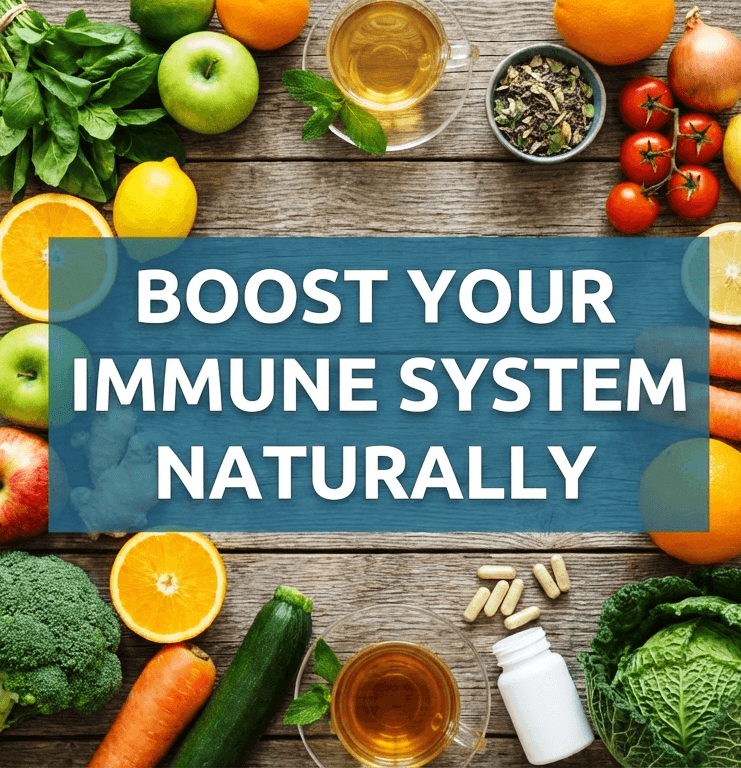
Your immune system is an intricate network of cells, tissues and organs that protects you against disease causing microorganisms. Its tasks include recognizing and destroying invaders such as bacteria, viruses and fungi, healing wounds and remembering previous exposures through antibodies. In this comprehensive guide, we explain what the immune system does, why it sometimes falters and how you can support it through natural, evidence‑based strategies. We also separate science from myth by summarizing reputable research on diet, lifestyle and supplements. Understanding how to care for your immunity helps you stay healthier year‑round, not just during cold‑and‑flu season.
Understanding Your Immune System
The immune system comprises two main arms: innate immunity and adaptive immunity. Innate immunity provides an immediate but non‑specific response using physical barriers (skin, mucous membranes), white blood cells and chemical messengers. Adaptive immunity is slower but specific; it relies on lymphocytes (B cells and T cells) that recognize particular pathogens, produce antibodies and confer long‑term protection. A well‑functioning immune system can identify self vs. non‑self, neutralize pathogens and switch off responses once the threat is gone.
Factors That Weaken Immunity
Your defenses are influenced by many factors. Aging is a major one: older adults tend to produce fewer T cells and have a weaker response to vaccines. Micronutrient malnutrition deficiencies in vitamins A, B₆, C, D, E, folate and minerals like zinc, selenium, copper or iron can also weaken immunity. Chronic stress, poor sleep, inactivity, obesity, smoking and excessive alcohol use further impairs immune function. Because the immune system is complex, “boosting” it by flooding your body with immune cells or supplements makes little scientific sense. Instead, focus on maintaining balance through healthy habits.
1. Eat a Nutrient‑Dense, Balanced Diet
1.1. Why nutrition matters
Healthy immune “warriors” march on their stomach. Malnourished individuals are more vulnerable to infections because their immune cells cannot proliferate or function optimally. Deficiencies of vitamins C, D and E, selenium and zinc weaken immunity and increase susceptibility to infections. The Centers for Disease Control and Prevention (CDC) highlights eating well as one of six key habits for enhancing immunity. Eating a balanced diet rich in fruits, vegetables, whole grains, lean protein and low‑fat dairy provides multiple nutrients that support immune cells.
1.2. Prioritize plant foods
Aim for five to nine servings of vegetables and fruits each day. These foods supply vitamins, minerals and antioxidants that help your immune system fight oxidative stress and inflammation. A serving equals one medium piece of fruit, one cup of berries or melon or one half‑cup of cooked vegetables. Variety is important; dark leafy greens, citrus fruits, berries, bell peppers and cruciferous vegetables offer different protective phytochemicals.
1.3. Include immune‑supporting nutrients
1.3.1. Vitamin C
Citrus fruits, berries, melons, tomatoes, bell peppers and broccoli are excellent sources. Vitamin C is an antioxidant and supports both innate and adaptive immunity. Consistent intake may shorten the duration of colds, but high‑dose supplements do not prevent illness.
1.3.2. Vitamin D
Fatty fish and eggs provide natural vitamin D; milk and 100 % juices fortified with vitamin D are also good sources. Adequate vitamin D levels support immune regulation, whereas deficiency increases susceptibility to respiratory infections.
1.3.3. Beta carotene
Found in sweet potatoes, spinach, carrots, mangoes, broccoli and tomatoes. The body converts beta carotene into vitamin A, which helps maintain epithelial barriers and modulates immune responses.
1.3.4. Zinc
Animal sources like beef and seafood supply easily absorbed zinc; plant sources include beans, nuts, wheat germ and tofu. Zinc is crucial for T‑cell development and antioxidant enzymes.
1.3.5. Probiotics
Cultured dairy products (yogurt, kefir) and fermented foods (kimchi, sauerkraut) deliver beneficial bacteria that support gut barrier function. A healthy gut microbiome trains the immune system and reduces inflammation.
1.3.6. Protein
Both animal and plant sources (chicken, fish, beans, lentils, nuts and seeds) supply amino acids needed to build immune cells.
1.4. Stay hydrated
Adequate fluid intake keeps mucous membranes moist, enhancing your body’s ability to trap germs. Water is best; limit sugary drinks. Chicken soup can also be hydrating and contains ingredients like garlic and ginger that may have anti‑inflammatory properties.
1.5. Limit processed foods and added sugars
Western diets high in saturated fat, added sugar and refined carbohydrates promote inflammation and can impair immune defenses. Choose whole foods and healthy fats (olive oil, nuts, fish). Avoid excessive salt and processed meats.
2. Maintain Regular Physical Activity
Movement is medicine for immunity. Regular exercise improves cardiovascular health, lowers blood pressure and helps control body weight. The CDC notes that adults who meet aerobic and muscle‑strengthening guidelines are about half as likely to die from flu or pneumonia as those who do not. For adults, aim for at least 150 minutes of moderate‑intensity aerobic activity plus two days of muscle‑strengthening exercises each week.
Moderate exercise mobilizes immune cells, enhancing surveillance and delaying age‑related decline. However, prolonged intense exercise without adequate recovery may temporarily suppress immunity. Listen to your body and incorporate rest days.
3. Keep a Healthy Body Weight
Obesity (body mass index ≥30) is linked to impaired immune function. Excess fat produces inflammatory cytokines and alters T‑cell populations, making the body more susceptible to infections and reducing vaccine efficacy. To maintain a healthy weight:
- Combine calorie awareness with nutrient‑dense foods.
- Engage in regular physical activity (see above).
- Get sufficient sleep and manage stress (see below).
- Seek guidance from a health‑care professional if weight loss is needed.
4. Prioritize Sleep
Sleep is crucial for immune memory and the production of cytokines that regulate inflammation. Scientific evidence shows that sleep loss can negatively affect different parts of the immune system and increase the risk of various disorders. Aim for seven to nine hours of sleep per night for adults; children and teens require more. To improve sleep:
- Maintain a consistent sleep schedule.
- Create a dark, cool and quiet sleep environment.
- Limit screens and caffeine before bedtime.
5. Manage Stress
Chronic stress triggers the release of cortisol and other hormones that suppress immune function. Mayo Clinic recommends stress‑management techniques such as meditation, listening to music, journaling or engaging in physical activity. Mind‑body practices like yoga, tai chi and deep‑breathing exercises can reduce stress hormone levels and improve immune markers. Spending time outdoors, connecting with loved ones and pursuing hobbies also build resilience.
6. Don’t Smoke and Avoid Excess Alcohol
Smoking damages immune cells and weakens the lungs, increasing susceptibility to respiratory infections and autoimmune diseases. Quitting smoking improves immune function and reduces the risk of chronic diseases. Excessive alcohol use weakens the immune system over time. If you drink, do so in moderation up to one drink per day for women and up to two for men.
7. Stay Up‑to‑Date with Vaccinations and Practice Good Hygiene
Vaccines train your immune system to recognize and fight specific pathogens before they can cause illness. Harvard Health stresses that keeping current with all recommended vaccines is a key strategy to prevent infections. Vaccines prime your immune system without causing disease, reducing your risk of serious illness and death. Good hygiene reduces your exposure to germs:
- Wash hands frequently with soap and water for at least 20 seconds; use alcohol‑based sanitizers when soap is not available.
- Cook meat thoroughly and wash fruits and vegetables before eating.
- Avoid touching your face with unwashed hands.
- Clean and disinfect high‑touch surfaces regularly.
8. Soak Up the Sun (Safely)
Sunlight enables your skin to produce vitamin D, a nutrient that modulates immune responses. Spending 10 to 30 minutes in midday sun several times per week (depending on skin type, location and season) can help maintain vitamin D levels. However, avoid sunburn; wear sunscreen and protective clothing as needed. During winter or for people with limited sun exposure, vitamin D‑fortified foods or supplements may be necessary, but consult a health professional for guidance.
9. Cultivate a Diverse Gut Microbiome
The gut houses a large part of your immune system. Beneficial bacteria interact with immune cells, help train them to tolerate harmless substances and fight pathogens. To promote a healthy microbiome:
- Eat high‑fiber plant foods (vegetables, fruits, whole grains, legumes) that serve as prebiotics.
- Include fermented foods like yogurt, kefir, sauerkraut, kimchi and miso for probiotic bacteria.
- Limit antibiotics to when they are medically necessary (they kill both good and bad bacteria).
- Avoid excessive consumption of processed foods and sugar.
10. Spend Time Outdoors and Move Regularly
Outdoor activities such as walking, cycling or gardening expose you to fresh air, natural light and diverse microbes from soil and plants that can diversify your microbiome and reduce stress. Combining movement with nature amplifies the immune benefits of exercise. Gardening also encourages consumption of home‑grown, pesticide‑free produce.
The Role of Dietary Supplements and Herbal Remedies
1. Do you need supplements?
A well‑balanced diet generally provides enough vitamins and minerals for a healthy immune system. The Office of Dietary Supplements (ODS) notes that if you do not have a deficiency, increasing vitamin or mineral intake through supplements does not help prevent infections or speed recovery. Supplements can be useful if a health‑care provider identifies a deficiency or if your diet lacks certain nutrients. However, more is not better; megadoses of vitamins may cause toxicity or interfere with medications.
2. Herbal supplements and botanicals
Many herbs (echinacea, elderberry, garlic, ginseng, andrographis) are marketed for immune support, but scientific evidence for their effectiveness is limited. Some studies show that elderberry extracts may reduce the duration of flu symptoms, and garlic may have antimicrobial properties. However, results are inconsistent, sample sizes are small and preparations vary widely. The ODS notes that demonstrating an herb’s ability to enhance immunity is complex, and more research is needed. If you choose to use herbal supplements, consult a qualified healthcare provider, especially if you are pregnant, breastfeeding or taking medications.
3. Probiotics and omega‑3 fatty acids
Probiotic supplements provide beneficial bacteria that can enhance gut health and modulate immune responses. Evidence suggests some strains may help prevent respiratory infections or reduce their severity. Omega‑3 fatty acids (from fish oil or algae) have anti‑inflammatory properties, and adequate intake supports immune cell membrane integrity. As with other supplements, quality matters and individualized guidance is recommended.
4. Myths and Misconceptions
- Myth: Vitamin C prevents colds. While vitamin C plays a role in immunity, research shows that taking high doses does not prevent colds; it may shorten their duration slightly.
- Myth: Dairy increases mucus production. Research has not proven that milk or dairy worsen congestion during illness. Unless you are lactose intolerant or have a dairy allergy, moderate dairy consumption is not harmful.
- Myth: Being cold makes you sick. Studies indicate that exposure to moderate cold does not weaken the immune system. Winter is flu season largely because people spend more time indoors and viruses survive longer in cold, dry air.
- Myth: You need to “boost” your immune system constantly. Rather than trying to supercharge your immunity, aim for balance a steady state in which your immune cells respond appropriately but do not become overactive (which can lead to autoimmunity or allergies). Healthy living strategies support this balance.
Special Considerations
1. Immune Health Across the Lifespan
- Infants and children: Breastfeeding provides antibodies and prebiotics that nurture a baby’s developing immune system. Children need adequate sleep (8 to 14 hours, depending on age), balanced nutrition and vaccinations.
- Pregnancy: In pregnacny, women should follow their healthcare provider’s advice on nutrition and supplements. Vitamin A supplements above the recommended dose can cause birth defects.
- Older adults: Age‑related declines in immune function and appetite make older adults more susceptible to infections. Micronutrient deficiencies (e.g., vitamin B₁₂, vitamin D, zinc) are common. A daily multivitamin may be beneficial but discuss with a doctor.
2. Chronic Conditions and Immunity
People with chronic diseases such as diabetes, heart disease or autoimmune disorders often have compromised immunity. Work with healthcare providers to manage the underlying condition, maintain blood sugar and blood pressure control, and ensure vaccination. Some conditions may require specific dietary modifications (e.g., limiting sodium or certain foods).
Putting It All Together
Enhancing your immune system naturally involves holistic lifestyle practices, not quick fixes. Focus on:
- Balanced nutrition with abundant fruits, vegetables, whole grains, lean protein, healthy fats and plenty of water.
- Regular physical activity and movement throughout the day.
- Healthy weight management through mindful eating and exercise.
- Adequate sleep (7 to 9 hours for adults) and consistent sleep schedules.
- Stress reduction via mindfulness, hobbies, social connections and time in nature.
- Avoiding smoking and limiting alcohol.
- Staying vaccinated and practicing good hygiene to prevent infections.
- Safe sun exposure and gut health
By integrating these habits, you create an environment in which your immune system can perform its vital tasks effectively. Modern science affirms that there is no single “magic bullet” to boost immunity; rather, consistent, healthy living is your best defense against infections and chronic diseases. Start small, build sustainable routines and consult your healthcare provider for personalized advice.
Frequently Asked Questions
What does the immune system do?
Your immune system is your body’s first line of defense against germs. It helps prevent illness, supports healing when you’re unwell or injured, and works through a network of cells, tissues, and organs.
Can I really “boost” my immune system naturally?
You can support normal immune function, but “boosting” immunity like flipping a switch is not realistic. What works best is improving the daily habits that keep the immune system balanced and working well.
What are the most important natural habits for immune health?
Public-health guidance consistently points to the basics: eat well, stay active, maintain a healthy weight, get enough sleep, don’t smoke, and avoid excessive alcohol. These are the core habits with the strongest overall evidence.
What foods help the immune system the most?
A balanced eating pattern that includes plenty of fruits and vegetables, whole foods, and enough protein is a strong foundation. One practical target is aiming for a high intake of fruits and vegetables (for example, 5 to 9 servings a day) and getting nutrients from food first.
Do I need supplements to boost my immune system naturally?
Not usually. If you don’t have a nutrient deficiency, increasing vitamins/minerals through supplements typically does not prevent infections or help you recover faster. If you suspect a deficiency, it’s best to discuss testing and appropriate dosing with a clinician.
Does vitamin C prevent colds?
Vitamin C does not reliably prevent you from getting sick. Evidence suggests that taking it regularly may shorten how long a cold lasts or reduce symptoms for some people, but taking it after symptoms start may not help much.
Is it safe to take high doses of vitamin C every day?
High doses can cause side effects like diarrhea, nausea, and stomach cramps. The NIH fact sheet notes an adult upper limit of 2,000 mg/day, and it also lists important cautions for certain conditions and treatments.
What about vitamin D for immune support?
Vitamin D is important for immune function, and people with low vitamin D levels may have higher risk of some respiratory infections. Studies on supplementation show mixed results, with possible small benefit mainly in those who are low to begin with.
Do probiotics improve immunity?
Probiotics may influence immune function through the gut, but results vary by strain and person. If you want a food-first approach, fermented foods (like yogurt, kefir, kimchi) are commonly suggested as practical options.
How much sleep do I need for a healthy immune system?
Sleep matters because sleep loss can negatively affect parts of the immune system. For most adults, a common target is 7 to 9 hours nightly, and prioritizing consistent sleep is a high-impact habit.
Does exercise help the immune system?
Regular exercise supports overall health and is part of the “healthy lifestyle” approach to keeping the immune system working properly. Standard guidelines often referenced are 150 minutes/week of moderate activity plus muscle strengthening on 2 days.
Can stress weaken my immune system?
Chronic stress can affect the body in many ways, and stress management is commonly included in immune-support advice. Practical options include simple routines like walking, journaling, meditation, or other calming activities you can do consistently.
Does drinking water “boost” immunity?
Water doesn’t act like a supplement, but hydration supports normal body functions and can help you feel better during illness. Many clinical sources emphasize adequate fluids as part of staying well and recovering.
Does handwashing really matter for immunity?
Handwashing doesn’t “strengthen” immune cells, but it reduces exposure to germs so your immune system has fewer threats to fight. That’s a simple, high-value prevention step.
Does being cold outside weaken immunity?
Moderate cold exposure itself doesn’t appear to make you more likely to get infections. The bigger issue in winter is often more time indoors and closer contact with other people.
Do alcohol and smoking affect immune health?
Yes. Public guidance notes that excessive alcohol can weaken the immune system over time, and smoking makes the body less successful at fighting disease.
Are vaccines parts of supporting the immune system “naturally”?
Vaccines aren’t “natural” in the lifestyle sense, but they work with your immune system by training it to recognize threats before infection takes hold. Staying up to date on recommended vaccines is often listed alongside healthy habits.
When should I talk to a doctor about my immune system?
If you get frequent or unusually severe infections, have a chronic condition, are pregnant, take immune-affecting medications, or plan to use high-dose supplements or herbs, it’s wise to ask a healthcare professional for personalized guidance.