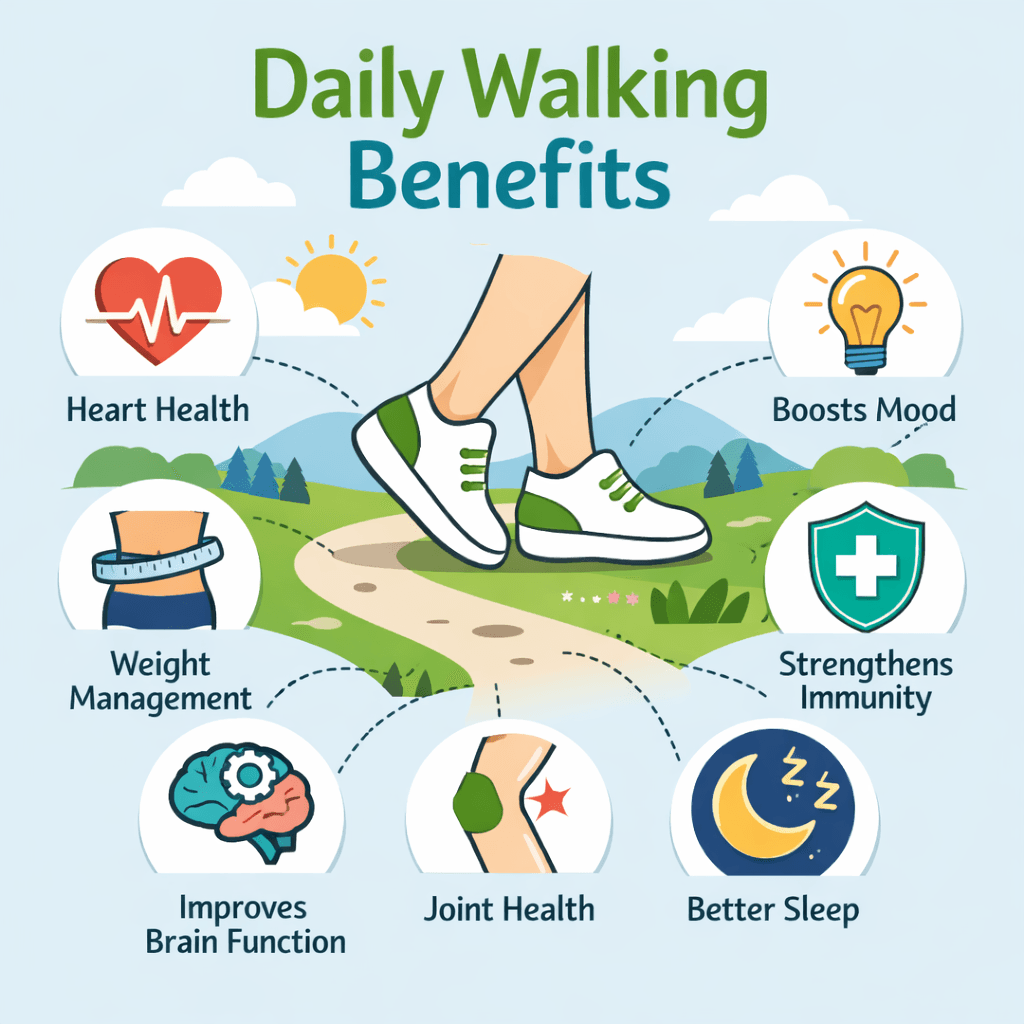
Walking isn’t just a way to get from point A to point B; it’s one of the most accessible, low‑impact forms of exercise. Consistent daily walking requires no gym membership, no fancy equipment and no special training, yet it delivers a long list of benefits for your body and mind. New research published in 2025 and 2026 continues to show that even modest amounts of walking improve heart health, metabolism and mental well‑being and may even extend life expectancy. The following sections break down ten compelling reasons to incorporate walking into your daily routine and offer practical tips to help you get the most from your steps.
1. Supports heart health and prolongs life
Cardiovascular disease remains one of the leading causes of death worldwide, yet it is highly responsive to lifestyle changes. Walking strengthens the heart muscle and improves circulation by prompting the body to pump blood more efficiently, which can lower blood pressure and LDL cholesterol. A large systematic review published in Lancet Public Health in August 2025 pooled data from 57 studies involving more than 160 000 adults. Researchers found that people who logged around 7 000 steps per day had a 25 % lower risk of cardiovascular disease and a 47 % lower risk of dying from any cause compared with those who averaged only 2 000 steps. Benefits continued to increase up to about 10 000 steps, but the largest gains occurred around the 7 000‑step mark.
More recent evidence suggests that increasing total walking time has an outsized effect on longevity. An analysis of the U.S. National Health and Nutrition Examination Survey (NHANES) published in the British Journal of Sports Medicine modeled how different levels of physical activity might influence life expectancy. The researchers estimated that adults who walk at an average pace of 3 mph for roughly 160 minutes each day could add five to eleven years to their lifespan compared with sedentary peers. Even adding an extra hour of walking per day reduced mortality risk among the least active participants, reinforcing the idea that some movement is far better than none. Taken together, these findings show that daily walking at a brisk pace is a potent tool for heart health and longevity.
How to maximize heart benefits
- Aim for a brisk pace. Use the “talk test” you should be able to hold a conversation but not sing. Brisk walking increases heart rate enough to strengthen the cardiovascular system.
- Work up gradually. If you’re sedentary, start with 10 to 15 minutes a day and add five minutes each week until you reach at least 30 minutes most days.
- Add hills or intervals. Including short bursts of faster walking or gentle inclines challenges the heart and muscles, providing additional benefits.
2. Helps manage weight and improve metabolism
Walking doesn’t torch calories at the same rate as high‑intensity workouts, but its real strength lies in sustainability. Steady, moderate‑intensity walking increases energy expenditure without triggering extreme hunger or fatigue, making it easier to maintain a healthy weight over the long term. Incorporating several short walks throughout the day, particularly after meals can be especially effective. Medical experts at Loma Linda University Health note that walking sends glucose into muscle cells for energy, which helps prevent post‑meal blood sugar spikes. In addition, the Cleveland Clinic explains that light activity after eating keeps blood glucose from spiking as high as it would if you remained seated and helps maintain stable insulin levels.
Beyond glucose control, walking can support weight management by building daily movement into your routine. When you walk for 30 minutes at a brisk pace, your body taps into fat stores for fuel. Regularly repeating this practice improves metabolism and encourages the body to maintain or build lean muscle, which further increases resting energy expenditure. Studies suggest that even two to five minutes of walking after a meal can lower blood sugar a bit, making it a feasible habit for busy schedules. Over time, the cumulative effect of these micro‑walks can contribute significantly to weight control.
Metabolic tips
- Walk after meals. A 10 minute stroll within an hour of eating can reduce blood‑sugar spikes and enhance digestion. Even two minutes helps, according to research summarized by the Cleveland Clinic.
- Split your walks. If 30 to 45 minutes at once feels daunting, accumulate time with shorter sessions spread throughout the day.
- Pair walking with balanced nutrition. Eating high‑fibre foods and lean protein helps stabilize blood sugar and makes your walks more effective for weight control.
3. Reduces stress and boosts mood
Walking is not only exercise for the body, it’s a form of therapy for the mind. Physical activity stimulates the release of endorphins, the body’s “feel‑good” chemicals that elevate mood and reduce perceptions of pain. According to Dr Karen Studer of Loma Linda University, walking helps lower levels of cortisol, the primary stress hormone, and stimulates endorphin release. This hormonal shift can lessen food cravings triggered by stress and improve overall resilience.
Walking can also promote mental well‑being through social connection. Dr Studer notes that walking with friends or family members fosters relationships and a sense of community. In a 2024 review highlighted by Psychology Today, researchers found that low‑intensity walking reliably boosts originality and divergent thinking, cognitive processes associated with creativity and problem‑solving. Even walking indoors or on a treadmill can provide benefits, but being outdoors in natural settings often enhances the positive effects.
Regular walkers often report clearer thinking and reduced anxiety or depressive symptoms. A 2025 pilot study of university professionals observed that walking meetings improved participants’ mood and creative thinking while reducing feelings of social isolation. Another randomized controlled trial from 2024 compared workplace walking to office yoga and found that both reduced musculoskeletal complaints, but walking was more effective at easing physical discomfort and stress.
Mood‑boosting strategies
- Use walking as a transition. Take a short walk before or after work, between meetings or after stressful tasks to reset your mind.
- Invite a friend or colleague. Social walks provide connection and accountability; research shows walking meetings can improve mood and teamwork.
- Seek nature. If possible, choose routes with greenery or water; natural environments amplify the stress‑reducing effects and support mental clarity.
4. Improves sleep quality and energy levels
Quality sleep influences everything from immune function to mood and metabolic health. Recent research suggests that certain forms of exercise, including walking, may reduce insomnia symptoms and help you fall asleep faster. A 2025 network meta‑analysis of 22 randomized controlled trials involving 1 348 adults with insomnia found that walking or jogging was linked to an almost 10‑point improvement in insomnia severity scores. While yoga and Tai Chi showed even larger benefits, walking still performed well: participants saw more sleep, less time awake at night and shorter sleep‑onset latency. The authors explained that moderate aerobic activity may improve sleep by lowering cortisol and boosting melatonin.
Physical activity also builds daytime “sleep pressure,” the biological drive to sleep after being awake and active. Dr Studer notes that many people forget the body must “be tired out during the day to sleep well at night”. Walking not only burns energy but also helps regulate circadian rhythms when done in the morning or afternoon, especially if you spend time outdoors. By elevating mood and reducing stress, walking further promotes restful sleep.
Sleep‑friendly practices
- Walk outside in the morning. Exposure to natural light early in the day helps align your internal clock, making it easier to fall asleep at night.
- Avoid vigorous exercise right before bed. Gentle walking is fine in the evening, but heavy workouts too close to bedtime may make it harder to fall asleep for some people.
- Aim for consistency. Try to walk at roughly the same times each day to create predictable cues for your body.
5. Enhances brain function, creativity and focus
In addition to mood benefits, walking has been shown to improve cognitive performance. A seminal 2014 Stanford study found that participants produced over 80 % more original ideas while walking compared with sitting, and walking outdoors sparked the most novel responses. A 2024 review in Discover Psychology examining dozens of experiments concluded that low‑intensity natural walking reliably boosts originality and divergent thinking, cognitive functions underlying creativity and problem‑solving. These gains occurred even after just a few minutes of walking.
Walking also supports focus by delivering oxygen and nutrients to the brain. A 2021 study in the Journal of Environmental Psychology observed that employees participating in regular walk‑and‑talk coaching sessions reported better mental health, higher job satisfaction and improved self‑esteem. Meanwhile, the St. David’s HealthCare blog notes that daily walking provides more energy, stamina and improved cognitive performance, reducing the risk of cognitive impairment as you age.
To maximize cognitive benefits, experiment with different walking environments. Natural settings seem to enhance creativity and mental restoration, while urban walks may promote focus by exposing you to new stimuli. Low‑intensity, 10 to 20 minute walking sessions often deliver the biggest gains for creativity.
Brain‑boosting tips
- Schedule walking breaks during work or study sessions to refresh your mind and prevent burnout.
- Take “wonder walks” with a colleague, using the time to brainstorm or solve problems research shows these walking meetings strengthen team bonds and spark ideas.
- Switch up your route. New environments or green spaces keep the brain engaged and may lead to new insights.
6. Strengthens bones and joints
Walking is a weight‑bearing activity, meaning it forces you to work against gravity, which helps maintain bone density and strengthen muscles that stabilize joints. Research using UK Biobank data found that walking pace is closely related to osteoporosis risk. Adults who reported walking slower than 3 mph had about 2.18 times higher risk of osteoporosis and 2.25 times higher risk of fractures than those walking at a normal pace. Conversely, brisk walkers (over 4 mph) experienced 13 to 25 % lower risk of osteoporosis and fractures. The study concluded that walking pace is an independent predictor of bone health, regardless of genetic susceptibility.
Regular walking also lubricates joints by stimulating synovial fluid circulation, which reduces stiffness and pain. St. David’s HealthCare explains that taking a break to walk around once or twice a day strengthens muscles and joints and can relieve pain associated with sitting for long periods. For older adults and those with arthritis, walking offers an accessible way to maintain mobility without the impact of running.
Bone‑friendly suggestions
- Pick up the pace. A brisk or “normal” pace appears protective against osteoporosis.
- Use supportive shoes. Proper footwear reduces joint stress and allows you to walk longer comfortably.
- Gradually increase distance. If you’re new to walking or have joint pain, start slowly and build up to longer walks on softer surfaces like trails or tracks.
7. Boosts immune function
The immune system responds to many lifestyle factors, including physical activity. St. David’s HealthCare notes that people who engaged in aerobic exercise five days a week had fewer sick days and fewer cold and flu symptoms than those who exercised only once weekly. Although the article summarises general aerobic activity, walking fits the moderate‑intensity category and appears to support immune surveillance by improving circulation and reducing chronic inflammation.
Moderate exercise mobilizes immune cells and enhances their readiness to fight pathogens, while high‑intensity, prolonged exercise can temporarily suppress immunity. Daily walking provides enough stimulus to boost immune function without overstressing the body. Combined with adequate sleep, balanced nutrition and stress management, walking may help your body fend off infections more effectively.
Immune support tips
- Walk regularly. Aim for at least five days of moderate activity per week, as research indicates this frequency reduces sick days.
- Stay hydrated and consume a diet rich in fruits and vegetables to support immune cell production.
- Avoid overtraining. Extremely long or intense workouts can suppress immunity; listen to your body and allow rest when needed.
8. May lower cancer risk
Several studies suggest that meeting physical activity guidelines can reduce the risk of certain cancers. St. David’s HealthCare points to a Journal of Clinical Oncology study showing that adults who accumulated two and a half to five hours of moderate activity per week significantly lowered their risk for seven of the 15 cancers studied compared with inactive individuals. While the research doesn’t isolate walking specifically, walking is a common way to achieve moderate activity minutes. Moreover, walking’s role in controlling weight, lowering inflammation and regulating hormones like insulin and estrogen provides plausible mechanisms for cancer risk reduction.
Cancer‑prevention strategies
- Follow activity guidelines. Aim for 150 to 300 minutes of moderate walking per week, paired with at least two days of resistance training.
- Maintain a healthy weight through a combination of walking, balanced diet and adequate sleep.
- Avoid prolonged sitting. Sedentary time has been linked to increased cancer risk; break up long periods of sitting with short walks.
9. Aids digestion and stabilizes blood sugar
After a big meal, many people feel sluggish or bloated. Taking a gentle stroll can ease these symptoms by encouraging peristalsis, the wave‑like movement that pushes food through the digestive tract. Northwestern Medicine’s Health & Fitness Center notes that a short walk after eating supports the natural movement of food and reduces feelings of bloating, gas or heaviness. This simple habit helps reduce discomfort and promotes regularity.
Walking after meals also helps muscles absorb glucose, leading to lower post‑meal blood sugar levels and preventing spikes and crashes. The Cleveland Clinic reports that even a short walk of two to five minutes can lower blood sugar a bit; longer walks have bigger effects. For people managing insulin resistance or type 2 diabetes, these short walks offer an easy, drug‑free strategy to improve glycemic control.
Digestion and blood‑sugar tips
- Stroll within 60 minutes of eating. This timeframe aligns with the period when blood glucose peaks.
- Keep it comfortable. You don’t need to power‑walk; a gentle pace is enough to stimulate digestion.
- Monitor blood glucose if you take medications affecting insulin. Exercise can lower blood sugar; be mindful to avoid hypoglycemia.
10. Encourages social connection and community
Although walking is often portrayed as a solo activity, it can be a powerful way to build social bonds. Walking with a partner, friend or small group adds accountability and makes the time feel shorter. Dr Studer emphasises that social walks cultivate relationships and can improve mental well‑being. This social component makes walking more enjoyable and increases the likelihood that you’ll stick with it long‑term.
Walking meetings have become popular in workplaces as a way to integrate physical activity and collaboration. Studies cited by Psychology Today show that walking meetings boost creativity, reduce stress and strengthen working relationships. Employees who participated in walk‑and‑talk coaching sessions reported higher job satisfaction, better mental health and improved self‑esteem. By turning everyday interactions into opportunities for movement, walking fosters a culture of health at home and at work.
Social walking ideas
- Plan a walking date instead of meeting for coffee. The conversation will flow, and you’ll both log some steps.
- Organize group walks in your neighborhood or workplace. Local walking clubs offer companionship and safety.
- Integrate walking meetings for brainstorming or one‑on‑one discussions. Choose safe, quiet routes and keep meetings between 10 and 20 minutes.
A realistic walking plan
Many people ask how many steps or how much time they need to walk to see results. The truth is that any increase in daily movement brings benefits, especially if you’re currently sedentary. Studies indicate that major health improvements occur between about 7 000 and 10 000 steps per day, but benefits accrue even at lower counts. St. David’s HealthCare notes that people saw reduced dementia risk at just 3 800 steps per day. If step counts aren’t motivating, think in terms of time: 20 to 30 minutes of walking equate to roughly a mile for most people. Start with what feels doable and gradually increase.
Here’s a simple progression
- Week 1 to 2: Walk 10 to 15 minutes daily at a comfortable pace. Focus on consistency, not speed.
- Week 3 to 4: Add five minutes to your walk or insert a second 10 minute walk after meals. Begin to incorporate a few brisk intervals.
- Week 5+: Build up to 30 minutes most days, aiming for a brisk pace that elevates your heart rate but allows conversation.
Beyond time and steps, pay attention to how you feel: improved mood, better sleep, more stable energy and stronger muscles are signals that walking is working. Pair your walking habit with strength training twice a week for best results.
Conclusion
Daily walking is a simple yet powerful strategy to improve your health. Scientific studies published in 2025 and 2026 confirm that regular walking reduces cardiovascular risk, supports weight and glucose control, lifts mood and creativity, strengthens bones and joints, boosts immunity, aids digestion, improves sleep and fosters social connection. Whether you choose to walk alone, with friends or during work meetings, the key is consistency. Start where you are, put one foot in front of the other and enjoy the compounding benefits of daily walking.
Health Disclaimer
The information provided on this blog is for educational and informational purposes only and should not be considered medical, psychological, or professional healthcare advice. All content is general in nature and may not apply to your individual health circumstances.
While we strive to keep the information accurate and up to date, we make no warranties or guarantees regarding the completeness, reliability, or accuracy of the content. Any actions you take based on the information on this blog are strictly at your own risk.
Before making any decisions related to your physical or mental health, including the use of medications, therapies, exercises, or lifestyle changes, you should consult a qualified healthcare professional who can evaluate your specific condition, needs, and medical history.
Frequently Asked Questions
How long should I walk each day to see health benefits?
Many people notice benefits with 10 to 20 minutes a day, especially if they’re currently inactive. A common evidence-based target for general health is about 150 minutes per week of moderate activity, which can be met through brisk walking spread across the week.
Do I need to walk 10,000 steps a day?
No. While 10,000 is a popular target, many people see benefits at lower step counts. Think of steps as a tool for motivation not a strict requirement.
Is walking enough exercise on its own?
Walking is an excellent foundation. For the most complete fitness plan, add 2 to 3 strength sessions per week (bodyweight or weights) to support muscle, bone density, posture, and metabolic health.
What are the benefits of walking after meals?
A 10 to 15 minute easy walk after meals can help reduce post-meal blood sugar spikes and may support digestion. It’s one of the simplest habits with a strong payoff.
When should I avoid walking or seek medical advice first?
Get medical guidance if you experience chest pain, dizziness, fainting, severe shortness of breath, or unexplained joint swelling or if you’re returning to exercise after a significant illness or surgery.
Does walking help you sleep better?
For many people, daily walking improves sleep by helping the body build healthy fatigue and supporting stress reduction. Morning light exposure during a walk may also help regulate your sleep-wake cycle.
Indoor walking vs. outdoor walking: which is better?
Both are effective. Outdoor walking can provide added benefits from fresh air, sunlight, and nature exposure, while indoor walking (treadmill, walking pad) is great for consistency and weather-proof routines.
What is the best time of day to walk?
The “best” time is the time you’ll stick with.
- Morning walks can improve energy and routine.
- After-meal walks can support blood sugar control and digestion.
- Evening walks can lower stress and help you unwind.