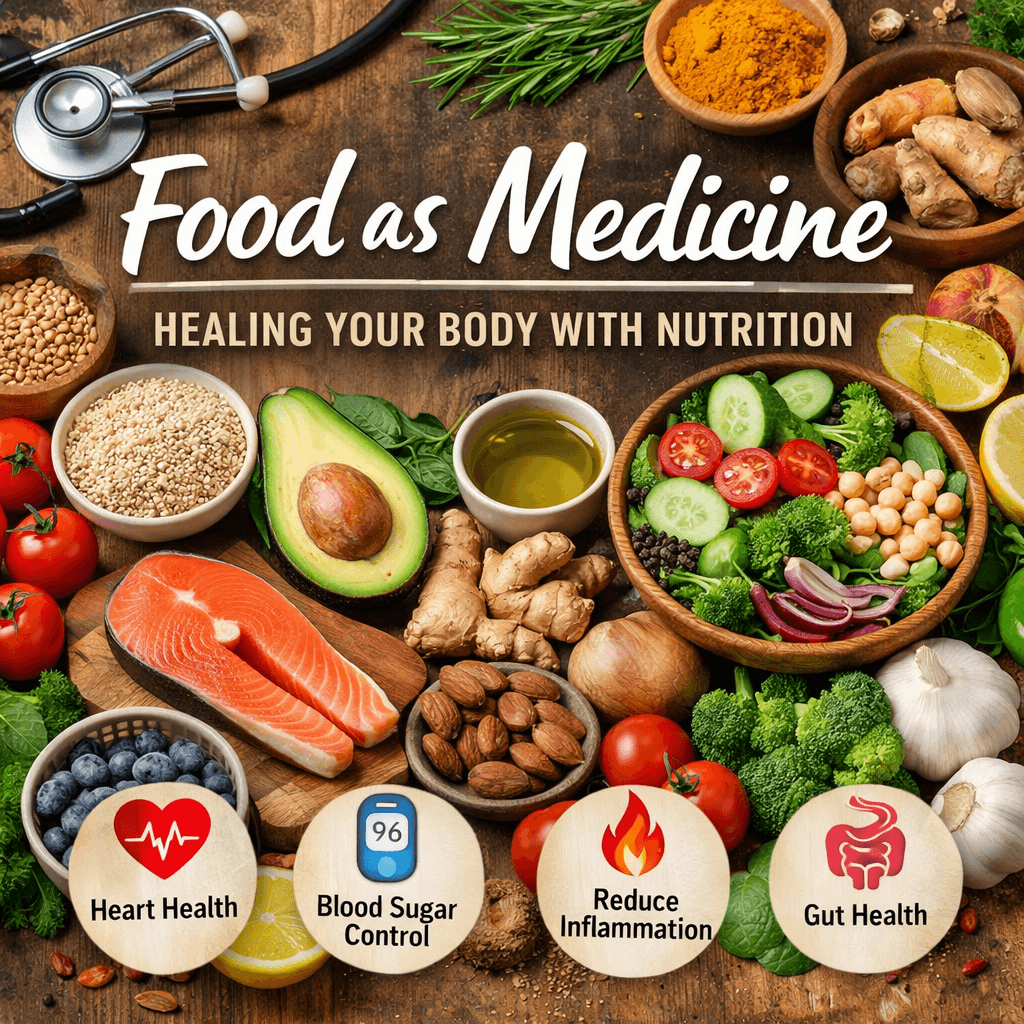
The adage “let food be thy medicine” has been attributed to Hippocrates for centuries, but modern research is only now revealing the true power of nutrition as a therapeutic tool. Chronic diseases such as heart disease, diabetes, obesity, cancer and depression are now the leading causes of disability and death worldwide. According to the World Health Organization (WHO), an unhealthy diet and lack of physical activity are among the leading global risks to health. The WHO notes that a healthy diet helps protect against malnutrition and non‑communicable diseases (NCDs) including diabetes, heart disease, stroke and cancer. Emerging evidence also shows that dietary patterns directly influence mental health and cognitive function.
Food as medicine is more than a slogan: it is an evidence‑based approach that uses nutrient‑dense foods, culinary education and medically tailored meals to prevent, manage and even reverse chronic diseases. This article explores how food can heal the body, highlighting key scientific findings, discussing specific foods and dietary patterns, and offering actionable tips to harness the healing power of nutrition.
Why Food as Medicine Matters
1. Nutrition Prevents Chronic Diseases
Modern health care often treats disease after it develops. Yet research shows that over 80 % of chronic illnesses are influenced by diet and lifestyle factors. Nutritious diets strengthen immunity, reduce inflammation, and help prevent conditions such as diabetes, heart disease and hypertension. A review in the Journal of Nutrition observed that food‑is‑medicine (FIM) interventions, such as medically tailored meals and teaching kitchens, improve diet quality and cardiometabolic risk factors. These programs may even lead to health care cost savings and fewer hospitalizations.
2. Nutrition Reduces Inflammation and Supports Heart Health
Inflammation is a natural immune response, but chronic inflammation contributes to atherosclerosis and cardiovascular disease. The Texas Heart Institute explains that diets that promote inflammation are associated with increased risk of stroke, cardiovascular disease and coronary heart disease. By contrast, anti‑inflammatory foods, rich in antioxidants, vitamins, fiber, flavonoids and omega‑3 fatty acids that help decrease inflammation. Specific foods such as leafy green vegetables, olive oil, fatty fish, fruits, whole grains and nuts have been shown to reduce the progression of atherosclerosis.
Research from the Cleveland Clinic further illustrates that omega‑3 fatty acids in fish like salmon, herring and mackerel protect against artery plaque by lowering triglyceride levels and increasing high‑density lipoprotein (HDL) cholesterol. Berries provide phytonutrients that reduce inflammation and lower LDL (“bad”) cholesterol, while oats and other whole grains can help lower total cholesterol and LDL cholesterol. Legumes such as lentils, garbanzo beans and black beans have been shown to positively influence blood pressure and cholesterol. These foods form the cornerstone of heart‑healthy eating.
3. Nutrition Supports Mental Health
Diet affects not only physical health but also mood and cognitive function. Research in the American Journal of Lifestyle Medicine notes that dietary patterns influence mood, stress resilience and emotional regulation. Adequate intake of omega‑3s, B vitamins, trace minerals and anti‑inflammatory foods supports brain signaling and emotional stability.
A National Geographic article highlights that diets high in ultra‑processed foods are associated with a 48 % increased risk of anxiety and a 22 % increased risk of depression. Conversely, the Mediterranean diet and similar plant‑rich diets can reduce the risks of depression, anxiety and ADHD. Researchers also found that people who eat more legumes, vegetables, fruits, yogurt, fish and seafood report lower perceived stress. These findings underscore the role of nutrition in mental and emotional well‑being.
The Science Behind Food as Medicine
1. Anti‑Inflammatory and Nutrient‑Dense Foods
Inflammation and oxidative stress are underlying drivers of many chronic illnesses. Anti‑inflammatory foods are rich in antioxidants (e.g., vitamins A, C, E; flavonoids; carotenoids), fiber and omega‑3 fatty acids. Examples include:
- Leafy green vegetables: Spinach, kale and collard greens provide antioxidants and nitrates that relax arteries and improve blood flow.
- Fruits and berries: Citrus fruits, apples, and berries supply vitamin C, fiber and flavonoids that protect vessels and reduce LDL cholesterol.
- Nuts and seeds: Walnuts, flaxseed and chia seeds are plant sources of omega‑3 fatty acids. Walnuts also offer alpha‑linolenic acid (ALA), which reduces inflammation.
- Whole grains: Oats, brown rice and quinoa improve cholesterol and provide sustained energy.
- Legumes: Beans supply fiber, protein and minerals, positively influencing blood pressure and cholesterol.
- Herbs and spices: Turmeric, ginger, cinnamon and garlic contain compounds like curcumin and allicin that modulate inflammation and enhance insulin sensitivity.
- Healthy fats: Olive oil, avocados and fatty fish (salmon, mackerel, sardines) supply monounsaturated fats and omega‑3s that lower bad cholesterol and reduce inflammation.
2. Dietary Guidelines from the WHO
The World Health Organization provides clear guidelines for a healthy diet. It recommends fruits, vegetables, legumes, nuts and whole grains and advises limiting free sugars to less than 10 % of total energy intake, with an even lower threshold of 5 % for added benefits. Total fat should be less than 30 % of energy, with unsaturated fats replacing saturated and trans fats. Salt intake should be limited to less than 5 g per day to prevent hypertension and reduce the risk of heart disease and stroke. Adults should consume at least 400 g (five portions) of fruit and vegetables per day to reduce NCD risk.
3. Plant‑Based Diets and Cardiovascular Health
Whole‑food, plant‑based diets are associated with lower cardiovascular risk. The American College of Lifestyle Medicine reports that populations consuming diets centered on whole plant foods have better cardiovascular risk profiles and lower rates of cardiac events and mortality. Many acute myocardial infarctions are linked to modifiable lifestyle factors such as red and processed meats, saturated fat, refined carbohydrates and excess sodium. Replacing these with whole grains, fruits, vegetables and legumes reduces risk. Plant‑based diets also help control hypertension, insulin, inflammation and oxidative stress.
The Mediterranean diet rich in fruits, vegetables, whole grains, legumes, fish and olive oil is widely regarded as a gold standard for heart health. It embodies an anti‑inflammatory approach, combining healthy fats and high antioxidant content, and has been associated with lower rates of cardiovascular disease and all‑cause mortality. Likewise, the DASH (Dietary Approaches to Stop Hypertension) diet emphasizes fruits, vegetables and low‑fat dairy to lower blood pressure, while the MIND (Mediterranean–DASH Intervention for Neurodegenerative Delay) diet supports brain health and may reduce the risk of Alzheimer’s disease.
4. Food and Mental Health: The Gut and Brain Axis
The gut and brain axis describes the bidirectional communication between the gastrointestinal tract and the central nervous system. Diet influences the diversity of gut microbes, which in turn affects mood, cognition and behavior. Beneficial bacteria produce neurotransmitters like serotonin, dopamine and gamma‑aminobutyric acid (GABA). Diets rich in fermented foods (yogurt, kimchi, sauerkraut) introduce probiotics that enhance gut flora, while prebiotic‑rich foods (garlic, onions, asparagus) feed existing gut bacteria. Healthy fats, particularly from avocados and nuts, reduce gut inflammation and aid absorption of fat‑soluble vitamins.
The National Geographic article notes that ultra‑processed foods correlate with higher anxiety and depression risk, whereas diets rich in fish, seafood, fruits, vegetables and legumes correspond to lower stress levels. Mediterranean, DASH and MIND diets, built around these foods, have been shown to reduce depression, anxiety and ADHD.
Healing Chronic Conditions With Nutrition
1. Heart Disease
Heart disease is the leading cause of death worldwide, yet research shows that up to 80 % of cases are preventable through diet and lifestyle changes. A heart‑healthy diet includes:
- Healthy fats: Avocados, nuts and olive oil provide monounsaturated fats that support heart health and reduce LDL cholesterol.
- Antioxidant‑rich foods: Berries, dark leafy greens and tomatoes contain antioxidants that protect arteries from inflammation.
- Omega‑3s: Fatty fish such as salmon and flaxseeds reduce cardiovascular risk; Cleveland Clinic notes that omega‑3s in fish raise HDL cholesterol and lower triglycerides.
- Whole grains: Brown rice, quinoa and oats help regulate cholesterol and improve heart function, with oats specifically lowering total and LDL cholesterol.
Replacing processed meats and refined carbohydrates with these foods can significantly lower blood pressure, cholesterol and risk of heart‑related complications.
2. Diabetes
Type 2 diabetes is largely influenced by dietary choices. Diets with low glycemic load and high fiber improve insulin sensitivity and stabilize blood sugar levels. Key foods include:
- High‑fiber vegetables: Broccoli, kale and spinach slow glucose absorption.
- Low‑glycemic carbohydrates: Sweet potatoes, legumes and quinoa provide sustained energy without spiking blood sugar.
- Healthy proteins and fats: Nuts, seeds and lean meats balance blood sugar.
- Herbs and spices: Cinnamon, turmeric and ginger enhance insulin sensitivity.
Medically tailored meal plans for people with diabetes emphasize complex carbohydrates, fiber and unsaturated fats to prevent blood sugar spikes and support long‑term health.
3. Inflammation and Autoimmune Disorders
Chronic inflammation drives conditions such as arthritis, autoimmune diseases and cognitive decline. Anti‑inflammatory foods that reduce inflammatory markers include:
- Berries and dark leafy greens: Rich in polyphenols and antioxidants that combat oxidative stress.
- Wild‑caught fish and nuts: Provide omega‑3s that reduce joint pain and inflammation.
- Turmeric and ginger: Contain compounds like curcumin and gingerol that modulate immune responses.
- Dark chocolate (80 % or higher): Supplies flavonoids that protect cells from inflammatory damage.
Including these foods in daily meals can alleviate pain, improve mobility and enhance immune resilience.
4. Gut Health and Digestion
The gut microbiome is fundamental to overall health. A balanced microbiome supports digestion, nutrient absorption and immune function. Foods that promote gut health include:
- Fermented foods: Yogurt, kimchi and sauerkraut introduce beneficial probiotics.
- Prebiotic‑rich foods: Garlic, onions and asparagus feed beneficial bacteria.
- Healthy fats: Avocados and nuts reduce gut inflammation and aid vitamin absorption.
Maintaining a diverse and balanced microbiome leads to better digestion, stronger immunity and improved mental health.
5. Mental Health and Cognitive Function
Nutrition plays a crucial role in behavioral health. The American Journal of Lifestyle Medicine stresses that a diverse microbiome, adequate omega‑3s, B vitamins and trace minerals, and diets low in inflammatory foods support healthy brain signaling and emotional stability. Clinical trials show that Mediterranean and plant‑forward diets reduce depressive symptoms, while micronutrient supplementation enhances attention and stress responses across the lifespan.
The National Geographic article highlights that diets high in ultra‑processed foods increase anxiety and depression risk, whereas Mediterranean and DASH diets reduce depression and anxiety. Fish such as salmon, sardines and mackerel provide omega‑3 fatty acids and essential nutrients like vitamin B12, selenium, iron and zinc, which support neurotransmitter production and reduce depression risk. Probiotic foods like yogurt may improve gutand brain communication, while prebiotics fuel beneficial microbes.
Food as Medicine Programs and Policies
1. Healthcare Integration and Screening
Hospitals and health systems are beginning to integrate food as medicine into clinical care. Mass General Brigham has introduced a Food is Medicine strategy that encourages providers to treat nutritious food like any other medical therapy. Providers screen patients for food insecurity and social determinants of health, referring them to food pantries or cooking courses when necessary. The program recognizes that access to healthy foods is a privilege that is often limited by factors like finances, location, structural racism and social isolation.
Identifying barriers is essential because many Americans have food security (enough to eat) but little nutrition security (access to foods that promote health). The article notes that ultra‑processed foods make up nearly 60 % of what adults eat, and barriers such as poverty, food deserts, structural racism and stigma limit access to healthy foods. Food‑is‑medicine programs aim to overcome these barriers through screenings, medically tailored meals and partnerships with community organizations.
2. Policy Initiatives and Research Needs
Food‑is‑medicine is gaining momentum, but challenges remain. Researchers Glenn and Hu point out that FIM programs improve diet quality and cardiometabolic risk factors, and may reduce hospitalizations and healthcare costs. However, they caution that evidence is still limited by small sample sizes and short follow‑up periods. Future research must include larger, long‑term trials, rigorous economic evaluations and integration of precision nutrition approaches.
Policymakers are also focusing on the social determinants of health, advocating for food prescriptions, produce voucher programs, and community partnerships. The White House’s 2022 Conference on Hunger, Nutrition and Health set ambitious goals for reducing diet‑related diseases and promoting food security. The WHO’s global nutrition targets aim to reduce salt intake by 30 %, halt the rise of obesity and diabetes, and promote healthy diets across the life course.
Creating Your Healing Plate: Practical Tips
- Prioritize whole, minimally processed foods. Aim for a plate filled with colorful vegetables, fruits, whole grains, legumes, nuts and seeds, and include healthy fats like olive oil and avocados. Avoid foods high in trans fats, added sugars and refined carbohydrates.
- Eat five or more servings of fruits and vegetables daily. The WHO recommends consuming at least 400 g (five portions) of fruits and vegetables per day. Variety ensures that you receive a range of vitamins, minerals, antioxidants and fiber.
- Include omega‑3‑rich foods. Eat fatty fish (salmon, mackerel, sardines), walnuts and flaxseed regularly to reduce inflammation and support brain and heart health.
- Boost fiber intake. Choose whole grains like oats, quinoa, brown rice and barley. Fiber helps regulate blood sugar, lowers cholesterol and feeds beneficial gut bacteria.
- Spice up your meals. Incorporate anti‑inflammatory herbs and spices such as turmeric, ginger, cinnamon and garlic. These not only add flavor but also modulate inflammation and improve insulin sensitivity.
- Stay hydrated and limit added sugars. Drink plenty of water and reduce consumption of sugar‑sweetened beverages. The WHO advises keeping free sugars below 10 % of total energy intake (about 50 g for a 2,000‑calorie diet) and ideally below 5 %.
- Moderate salt and saturated fat intake. Limit salt to < 5 g per day and reduce saturated fats by replacing butter and lard with vegetable oils like olive or canola.
- Mind your gut. Include fermented foods like yogurt and kimchi and prebiotic foods like onions and asparagus to support a healthy microbiome.
- Plan balanced meals. Use the Healthy Eating Plate approach: fill half the plate with vegetables and fruits, a quarter with whole grains and the remaining quarter with healthy proteins. Include healthy oils in moderation.
- Seek professional guidance. Consult registered dietitians or nutrition professionals for personalized plans, especially if managing chronic conditions. Healthcare providers can refer patients to food prescriptions or medically tailored meal programs when appropriate.
Conclusion
Food is not a silver bullet, yet it is one of the most powerful tools we have to promote healing and longevity. A growing body of research shows that nutrient‑dense, anti‑inflammatory diets reduce the risk of chronic diseases, support mental health and enhance overall well‑being. Eating more vegetables, fruits, whole grains, legumes, nuts and healthy fats while minimizing processed foods, added sugars and saturated fats can drastically improve health outcomes.
Food‑is‑medicine initiatives are transforming healthcare by integrating nutrition into clinical practice, screening for food insecurity and delivering medically tailored meals. Although challenges remain, early evidence shows that these interventions improve diet quality, cardiometabolic risk factors and mental health. At the policy level, global organizations like the WHO are setting ambitious targets to curb diet‑related diseases and promote healthy eating.
As individuals, we can take charge of our health by embracing the food as medicine philosophy. Each meal is an opportunity to nourish your body, support healing processes and cultivate long‑term wellness. By choosing whole, colorful, nutrient‑dense foods and adopting balanced dietary patterns like the Mediterranean or plant‑based diets. You also make medicine a part of your daily life with diets for better health and fast recovery.
Health Disclaimer
The information provided on this blog is for educational and informational purposes only and should not be considered medical, psychological, or professional healthcare advice. All content is general in nature and may not apply to your individual health circumstances.
While we strive to keep the information accurate and up to date, we make no warranties or guarantees regarding the completeness, reliability, or accuracy of the content. Any actions you take based on the information on this blog are strictly at your own risk.
Before making any decisions related to your physical or mental health, including the use of medications, therapies, exercises, or lifestyle changes, you should consult a qualified healthcare professional who can evaluate your specific condition, needs, and medical history.
Frequently Asked Questions
Can food actually “heal” the body?
Food supports the body’s built-in repair systems by supplying building blocks (protein, healthy fats, vitamins, minerals) and by influencing inflammation, blood sugar, blood pressure, and the gut microbiome. It may not “cure” every condition, but it can meaningfully improve markers and how you feel.
Is Food as Medicine a replacement for medications?
Usually, no. For many conditions, nutrition works best with medical treatment. In some cases, improving diet and lifestyle may reduce medication needs over time but that should only happen with a clinician’s guidance.
How does nutrition help reduce inflammation?
Inflammation is influenced by blood sugar swings, oxidative stress, and gut health. Fiber, antioxidants, omega-3 fats, and a diverse range of plant compounds can help calm inflammatory signaling over time.
Do I need supplements to use food as medicine?
Not always. Many people can meet needs through food. But some nutrients commonly require attention, such as vitamin D, B12, iron, iodine, and omega-3s. Supplements should be personalized not automatic.
What’s the biggest mistake people make?
Going extreme and trying to “fix everything” at once. Sustainable progress usually comes from small, consistent changes especially focusing on whole foods, fiber, and reducing ultra-processed foods.
What foods should I prioritize for healing and recovery?
Focus on:
- Vegetables and fruits (variety and color)
- High-fiber foods (beans, lentils, oats, whole grains)
- Healthy fats (olive oil, nuts, seeds, avocado)
- Protein (fish, eggs, dairy, poultry, tofu/tempeh, beans)
- Hydration (water, unsweetened drinks)
What foods commonly work against healing?
Frequently limiting these helps many people:
- Ultra-processed snacks and fast foods
- Sugary drinks and frequent sweets
- Processed meats
- Deep-fried foods and trans-fat-heavy products
- Excess alcohol