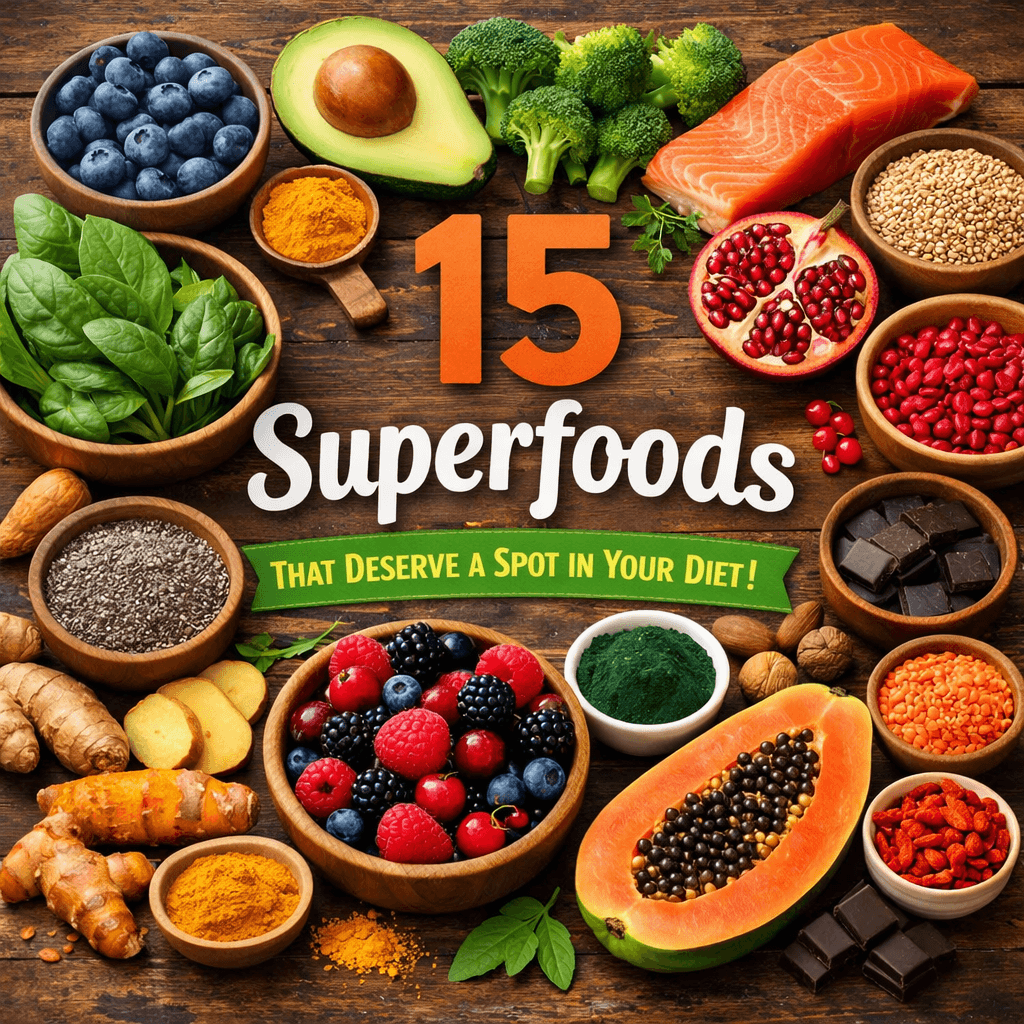
Eating a variety of superfoods is especially nutrient-rich foods that can help you enjoy better health and more energy. Many nutrition experts note that “superfood” isn’t a scientific term per se, but it generally refers to foods loaded with vitamins, minerals, fiber and antioxidants. In other words, these are some of the healthiest foods to eat and nutrient-dense choices that support the immune system, heart, brain and other organs. For example, the Mayo Clinic emphasizes that “some of the best foods combine nutrients such as vitamins, minerals, fats and protein,” calling these “nutrient-dense” when they’re low in added sugars and unhealthy fats. In this article we explain what “superfoods” means and explore 15 of them from berries and leafy greens to nuts, fish, and whole grains along with tips on how to add each to your meals. These foods for better health can boost wellness in many ways (supporting immunity, energy levels, weight management and more) without any special “miracle” claims just good, science-backed nutrition.
What Are Superfoods?
Strictly speaking, there’s no official definition of a superfood. It’s a marketing term that highlights nutrient-rich foods known for exceptional health benefits. For example, health experts often describe superfoods as foods that are high in antioxidants or anti-inflammatory compounds that protect cells from damage. The key point is that superfoods are still just healthy foods. These are very best foods for energy and health because of what nutrients they contain. In general, superfoods pack lots of vitamins, minerals and fiber into a small package. They may support good gut bacteria, steady blood sugar, a strong immune response and other everyday wellness goals. In the sections below, each superfood is broken out in its own heading, with a summary of its standout nutrients, health perks and simple ideas for enjoying it daily.
1. Blueberries
These little berries are truly nutrient-dense often called one of the best foods for energy and health because they’re packed with vitamins, fiber and antioxidants. In fact, “berries are packed with antioxidants and strong anti-inflammatory compounds,” including anthocyanins, which give blueberries their deep blue color. These antioxidants help protect cells from oxidative stress and support immunity and brain health. Blueberries also provide plenty of vitamin C, vitamin K and manganese. For example, the Mayo Clinic notes that an ounce of blueberries gives you a daily dose of vitamin K (important for bone and heart health), vitamin C and beneficial fiber. All this makes blueberries one of the healthiest foods to eat for overall wellness. To add more blueberries to your diet, try them fresh or frozen in oatmeal, yogurt parfaits or smoothies. They also make a sweet topping on salads or even on whole-grain pancakes. A handful of blueberries makes a quick, energizing snack rich in nutrients and flavor.
Key nutrients & benefits
Antioxidants (anthocyanins), vitamin C, vitamin K, manganese, fiber. May help protect heart health, brain function and eyesight.
How to eat
Stir fresh or frozen berries into cereal, yogurt or cottage cheese; blend into smoothies; or toss into salads and grain bowls.
2. Leafy Greens
Leafy greens like spinach, kale, Swiss chard and collards earn their superfood status by delivering a huge nutrient punch with very few calories. They’re loaded with fiber, vitamins and minerals including vitamin A, vitamin C, vitamin K (needed for blood and bone health), folate, iron and calcium as well as antioxidants like lutein and zeaxanthin that support eye health. In fact, “dark green leafy vegetables are an excellent source of nutrients including folate, zinc, calcium, iron, magnesium, vitamin C and fiber,” and diets rich in these greens are linked to lower risk of chronic illnesses like heart disease and type 2 diabetes. Spinach and kale also contain beneficial plant chemicals (phytonutrients) that may have anti-cancer effects. Try to fill at least half your plate with vegetables each day and leafy greens can help you reach that goal.
Key nutrients & benefits
Vitamins A, C, K; folate; calcium; iron; fiber; antioxidants (e.g. lutein). Supports heart health, healthy blood pressure, strong bones and eye health.
How to eat
Enjoy raw spinach or baby kale in salads; sauté greens as a side dish; blend them into smoothies; or add chopped kale/spinach to omelets, grain bowls and soups. Even juicing a handful of kale or spinach with fruit can boost nutrients.
3. Salmon
Salmon (and other fatty fish like trout or mackerel) is famous as a superfood because it’s rich in high-quality protein and healthy omega‑3 fats. Wild salmon offers generous amounts of vitamin D, B vitamins (especially B12), selenium and astaxanthin (a potent antioxidant that gives salmon its pink hue). It’s also one of the very best food sources of omega-3 fatty acids, which are known to “reduce inflammation” and support brain and heart health. Regularly including salmon in your diet is linked with a lower risk of heart disease and may help stabilize blood pressure. One Healthline source notes that “including salmon in your diet may also lower your risk of heart disease and diabetes and help you maintain a healthy weight”. For a heart-healthy boost, aim for two or more servings of oily fish per week.
Key nutrients & benefits
Omega‑3 fatty acids (EPA/DHA), high-quality protein, vitamin D, B vitamins (especially B12), selenium. Supports heart and brain health; may improve mood, joint health and cognitive function.
How to eat
Grill, bake or broil salmon fillets with herbs and lemon; add flaked salmon to salads; toss canned wild salmon into grain bowls or omelets. Even canned sockeye salmon is a convenient, budget-friendly option for omega-3s.
4. Almonds
Nuts like almonds are a classic superfood: calorie-dense but loaded with nutrients. Almonds are rich in healthy monounsaturated fats (good for cholesterol), fiber and protein, along with vitamin E (an antioxidant), magnesium, calcium and folate. Just a small handful of almonds provides much of your daily vitamin E requirement and a mix of other micronutrients. Mayo Clinic highlights almonds, stating that a 1‑ounce serving delivers fiber, vitamin E and minerals like magnesium and calcium, and that swapping nuts for unhealthy fats can improve heart health. Research has linked nut-rich diets to lower LDL (“bad”) cholesterol and reduced heart disease risk. For an energy-packed snack, almonds (or other nuts) are ideal. They help you feel full and satisfied.
Key nutrients & benefits
Healthy fats (MUFAs), fiber, vitamin E, magnesium, calcium. May help lower cholesterol and support heart health.
How to eat
Keep a jar of raw or dry-roasted almonds at hand for snacking. Sprinkle chopped almonds on oatmeal or yogurt, or stir almond butter into smoothies or sauces. Almonds also add crunch to salads and stir‑fries.
5. Avocado
Creamy avocado is technically a fruit, but it’s often treated like a vegetable. It’s rich in heart-healthy monounsaturated fat (primarily oleic acid), fiber and potassium (more per serving than a banana!). Avocado also provides vitamins C, E, K and B6, folate and magnesium. Thanks to its healthy fat and fiber, avocado makes meals more satisfying and helps the body absorb fat-soluble vitamins from other foods. Healthline notes that “avocado is a highly nutritious fruit, rich in fiber, vitamins, minerals and healthy fats”. The monounsaturated fat in avocado can reduce inflammation and improve cholesterol profiles. Studies suggest that eating avocados may reduce risk factors for heart disease and diabetes.
Key nutrients & benefits
Monounsaturated fat (oleic acid), fiber, potassium, vitamins C,E,K, and folate. Supports healthy cholesterol levels, helps control blood sugar, and provides lasting energy.
How to eat
Mash avocado into guacamole, spread on toast, or slice on toast. Add diced avocado to salads, burritos or smoothies. Its creamy texture also makes it a healthy thickener for sauces and dressings.
6. Quinoa
Quinoa (KEEN-wah) is a nutrient powerhouse among grains. It’s a complete protein, meaning it contains all nine essential amino acids, and it delivers more protein and fiber than most other grains. Quinoa is also rich in minerals like magnesium, iron, and zinc, plus B vitamins and antioxidants. One Healthline summary notes that quinoa provides “more magnesium, iron, fiber, and zinc than many common grains”. It has a low-to-moderate glycemic index, so it won’t spike your blood sugar rapidly. Because of its nutrient balance, quinoa is considered a “complete food” a versatile base for salads and bowls. It’s also gluten-free, making it suitable for those with sensitivities.
Key nutrients & benefits
Complete plant protein, fiber, magnesium, iron, zinc, antioxidants. Supports muscle maintenance, energy production and blood sugar control.
How to eat
Cook quinoa and use it in place of rice or pasta. Mix with vegetables and beans for a salad, or use it in soups and stews. A bowl of quinoa porridge (with milk, nuts and berries) makes a hearty breakfast.
7. Sweet Potatoes
Sweet potatoes are a root vegetable superfood packed with beta-carotene (a precursor to vitamin A), vitamins C and B6, potassium and fiber. The bright orange color signals a high level of antioxidants. Healthline explains that sweet potatoes are “loaded with potassium, fiber, vitamins A and C”, and they contain carotenoids linked to a lower risk of some cancers. Despite being sweet, they have a moderate glycemic index; one study even found sweet potatoes can improve blood sugar control (helpful for weight and diabetes management). Try them baked, mashed or roasted to make an already-healthy meal even better.
Key nutrients & benefits
Beta-carotene (vitamin A), vitamin C, fiber, potassium. Good for eye health, immune support and stable blood sugar.
How to eat
Bake whole sweet potatoes and top with beans or veggies for a hearty meal. Mash or roast them as a side dish. Add slices to salads or use sweet potato “noodles” as a pasta alternative.
8. Greek Yogurt
Rich, creamy Greek yogurt (and its cousin, kefir) is a fermented dairy superfood. It’s higher in protein than regular yogurt and supplies calcium, potassium, phosphorus and B vitamins. Most important, Greek yogurt is full of live probiotics (friendly bacteria). These probiotics can support gut health, which in turn boosts immunity and digestion. The Healthline review on kefir (a related drink) notes that fermented yogurts and beverages can lower cholesterol and blood pressure, improve digestive health, and have anti-inflammatory effects. Greek yogurt also provides protein and calcium for bone and muscle health. Look for plain, unsweetened varieties to maximize benefits.
Key nutrients & benefits
Protein, calcium, potassium, B vitamins and probiotics. Promotes healthy digestion, stronger bones and stable blood sugar.
How to eat
Enjoy Greek yogurt plain or with fresh fruit for breakfast or snacks. Use it as a sour cream substitute in recipes, or blend into smoothies for added creaminess and protein.
9. Legumes
Beans, lentils, chickpeas and other legumes are true superstars among plant foods. They’re high in fiber, plant protein and B vitamins, as well as minerals like iron, potassium and magnesium. Legumes also contain antioxidants and phytochemicals. Research shows that legumes (often eaten as a protein replacement for meat) can help manage blood sugar, lower blood pressure and cholesterol, and improve feelings of fullness. The fiber and protein combo makes them very satisfying on any diet. Common examples include black beans, kidney beans, lentils, chickpeas and peas all of which fit seamlessly into soups, salads and stews.
Key nutrients & benefits
Fiber, plant protein, B vitamins, iron, potassium. Supports healthy digestion, heart health and weight management.
How to eat
Add beans or lentils to chili, curry, salads or veggie burgers. Make a bean dip (hummus) or toss peas into stir-fries. Canned legumes (rinsed) are a convenient pantry staple.
10. Chia Seeds
Tiny chia seeds have earned a place on many superfood lists because they’re small but incredibly mighty. These seeds are loaded with fiber, protein, healthy omega-3 fats (ALA) and essential minerals like calcium and magnesium. According to Healthline, “Chia seeds contain large amounts of fiber and omega-3 fatty acids, some protein, and many essential minerals and antioxidants,” and they “may help improve digestive health, lower blood pressure, and improve blood sugar control”. Chia seeds absorb liquid and form a gel, which slows digestion and helps you feel full. They can easily be added to diets try them in overnight oats, sprinkled on cereal or yogurt, or blended into smoothies and puddings.
Key nutrients & benefits
Soluble fiber (beta-glucan), plant protein, omega-3 fatty acids, calcium and antioxidants. May support heart and gut health, help stabilize blood sugar.
How to eat
Mix chia seeds with milk or a plant milk to make pudding. Sprinkle on cereal or yogurt. Stir a tablespoon into oatmeal or smoothies. Because they swell up with water, chia seeds give extra moisture and thickness to dishes (and make a fun pudding when soaked).
11. Garlic
Garlic is a flavorful superfood that has been used medicinally for centuries. It contains vitamins (such as vitamin C and B6) and minerals (like manganese), plus sulfur-containing compounds (like allicin) that are powerful antioxidants. These compounds give garlic its distinctive smell and many of its health benefits. Although we won’t make specific medical claims, people often find garlic supportive for heart health (it can help maintain healthy blood pressure and cholesterol) and for overall immunity. A clove or two of garlic minced into food can add a health boost to any dish, from pasta sauces to roasted vegetables.
Key nutrients & benefits
Vitamin C, vitamin B6, manganese, and sulfur compounds (antioxidants). May support heart and immune health (anti-inflammatory and antioxidant effects).
How to eat
Add fresh garlic to vinaigrettes, stir-fries, soups and marinades. Roasted whole garlic (till soft) makes a sweet, nutty spread for bread or mashed potatoes.
12. Green Tea
Green tea (and matcha) has become famous as a superfood beverage because it’s very rich in plant antioxidants called catechins. One of these, EGCG, has been widely studied. Healthline notes that green tea is “touted as one of the healthiest beverages on the planet,” and its catechins help prevent cell damage. Drinking green tea provides a small amount of caffeine plus L-theanine, an amino acid that together can improve alertness and focus without the jitters of coffee. Some research suggests that regular green tea drinkers enjoy better brain function, a slightly faster metabolism and even lower risk of certain chronic diseases. Sipping green tea instead of sugary drinks is an easy way to boost antioxidants and hydration.
Key nutrients & benefits
Catechins (powerful antioxidants like EGCG), plus a little caffeine and L-theanine. Supports brain function, metabolism and heart health.
How to drink
Enjoy 1 to 3 cups of unsweetened green tea daily. Try varieties like matcha (powdered green tea) for a concentrated dose. Use leftover brewed tea as a base for smoothies or salad dressings.
13. Turmeric
Turmeric is a bright yellow spice long used in Indian cooking. Its active ingredient, curcumin, is a natural anti-inflammatory and antioxidant. Healthline’s evidence-based review of turmeric notes that curcumin “can help fight inflammation” and is a “potent antioxidant” that can neutralize free radicals. In practice, adding turmeric to meals (especially with black pepper to boost absorption) gives dishes a healthful boost and an earthy flavor. People often use turmeric for general joint and digestive support; it is also studied for benefits in liver and heart health. In foods, turmeric is easy to use, try it in curries, golden milk lattes, roasted vegetables or rice dishes.
Key nutrients & benefits
Curcumin (bioactive compound with anti-inflammatory and antioxidant properties). May support joint comfort and overall health by reducing inflammation.
How to eat
Stir turmeric powder into soups, stews, curries or smoothies. Make a warming “golden milk” by simmering turmeric with milk (or plant milk) and spices. Season roasted root vegetables or rice with a dash of turmeric.
14. Oats
Whole oats (as oatmeal or oat flour) deserve superfood status for being incredibly nutritious, filling and versatile. They provide complex carbohydrates for lasting energy, plus a good amount of plant protein. Oats are especially rich in soluble fiber (beta-glucan) which helps lower cholesterol and keep blood sugar steady. They also contain beneficial antioxidants. Healthline summarizes that “Oats are loaded with important vitamins, minerals, and antioxidant plant compounds” and are a “good source of carbs and fiber, including the fiber beta-glucan”. Regularly eating oats (for example, as oatmeal or in smoothies/granola) is linked to better heart health and longer satiety.
Key nutrients & benefits
Complex carbs, soluble fiber (beta-glucan), protein, B vitamins, iron, magnesium. Helps lower cholesterol and blood sugar, and keeps you feeling full.
How to eat
Have oatmeal for breakfast topped with nuts and berries. Blend raw oats into smoothies. Use oat flour or rolled oats in baking (muffins, pancakes, energy bars). Even adding oats to yogurt or smoothies boosts fiber and texture.
15. Broccoli
This cruciferous vegetable tops many “superfood” lists. Broccoli is packed with fiber, vitamins C and K, folate and potassium, along with a range of antioxidants and sulfur compounds. It’s well-known for compounds like sulforaphane that support detoxification and may fight cancer cells. Healthline highlights that “Broccoli is a cruciferous vegetable rich in antioxidants and other beneficial plant compounds” and it’s high in fiber and vitamins. Regularly eating broccoli can protect heart health, help manage blood sugar and support the immune system. It’s great raw in salads, lightly steamed, or roasted until caramelized.
Key nutrients & benefits
Vitamin C, vitamin K, fiber, folate, potassium, and powerful antioxidants. Supports heart health, eye health and digestion.
How to eat
Eat raw broccoli florets with dip or in slaws. Lightly steam or stir-fry to preserve nutrients. Roast or grill broccoli with olive oil and garlic. Broccoli is also tasty blended into soups or casseroles.
Conclusion
Including these 15 superfoods in your daily diet is an easy way to boost nutrition and support overall wellness. Each one is a nutrient-rich food, and truly among the healthiest foods to eat whos offering vitamins, minerals, fiber and beneficial compounds. By adding berries, leafy greens, nuts, fish, legumes and the other foods above, you can improve energy levels, keep your immune system strong, and nurture heart and brain health. In short, these superfoods help fill your plate with nutrients your body needs, making your meals work harder for better health. For balanced eating, aim to combine a variety of them (with vegetables, fruits, whole grains and lean proteins) at each meal. Remember, no single food is a cure-all, but together they form a strong foundation for feeling your best. Enjoy experimenting with new recipes, and have fun reaping the benefits of these superfoods.
Frequently Asked Questions
What are superfoods?
“Superfoods” is a popular (non-scientific) term used to describe nutrient-rich foods that provide lots of vitamins, minerals, fiber, and antioxidants relative to their calories. Think of it as a shortcut for “foods for better health,” not a magic category.
Do superfood powders work?
Powders can be convenient, but they shouldn’t replace whole foods. Whole foods provide fiber, fullness, and a wider range of nutrients. If you use powders, treat them as a supplement to not a substitute for real meals.
Are superfoods actually proven, or is it just marketing?
The term is often used in marketing, but many foods labeled “superfoods” are genuinely nutrient-dense (e.g., leafy greens, berries, salmon, legumes). The real benefit comes from eating them consistently as part of an overall balanced diet.
Do I need to eat all 15 superfoods to get results?
No. You’ll see benefits from adding a few that fit your lifestyle. Aim for variety over perfection rotate 4 to 6 superfoods each week and build from there.
Can I get the same benefits from frozen or canned foods?
Often, yes.
- Frozen berries and broccoli can be just as nutritious as fresh.
- Canned beans are excellent rinse them to reduce sodium.
- Canned salmon is a convenient omega-3 option.
Are superfoods safe for everyone?
Generally yes, but a few notes:
- If you take blood thinners, keep vitamin K intake (leafy greens) consistent.
- If you have allergies, avoid trigger foods (nuts, dairy, etc.).
- If you have digestive sensitivity, increase legumes/fiber slowly.